
How to Add Value to Your Denver, CO Home with a Kitchen Remodel
In Denver’s competitive and design-savvy housing market, a well-executed kitchen remodel isn’t just a lifestyle upgrade—it’s one of the most effective ways to increase your home’s value. Whether you’re planning to sell in the near future or simply want to invest wisely in your space, the right kitchen improvements can deliver both strong returns and everyday enjoyment.
Here’s how to approach a kitchen remodel with value in mind—specifically for Denver and the surrounding Colorado market.
1. Focus on Layout First, Not Just Finishes
A beautiful kitchen won’t reach its full potential if the layout doesn’t function well. Denver buyers are especially drawn to open, airy spaces that connect the kitchen to living and dining areas.
High-impact upgrades:
Removing walls to create an open-concept layout: Helps the kitchen feel larger, brighter, and more connected to the rest of the home—ideal for both everyday living and entertaining.
Expanding islands for seating and gathering: A larger island transforms the kitchen into a central hub, accommodating casual dining, homework, or hosting guests, all while providing additional prep space and storage.
Improving workflow between sink, range, and refrigerator: Often referred to as the “kitchen work triangle”—enhances both efficiency and comfort. Thoughtful space planning and layout reduce unnecessary steps, making cooking, cleaning, and daily tasks feel more intuitive and streamlined.
Why it matters in Denver:
Many homes—especially older ones—have compartmentalized layouts. Opening up the kitchen can dramatically modernize the home and make it feel larger without adding square footage.
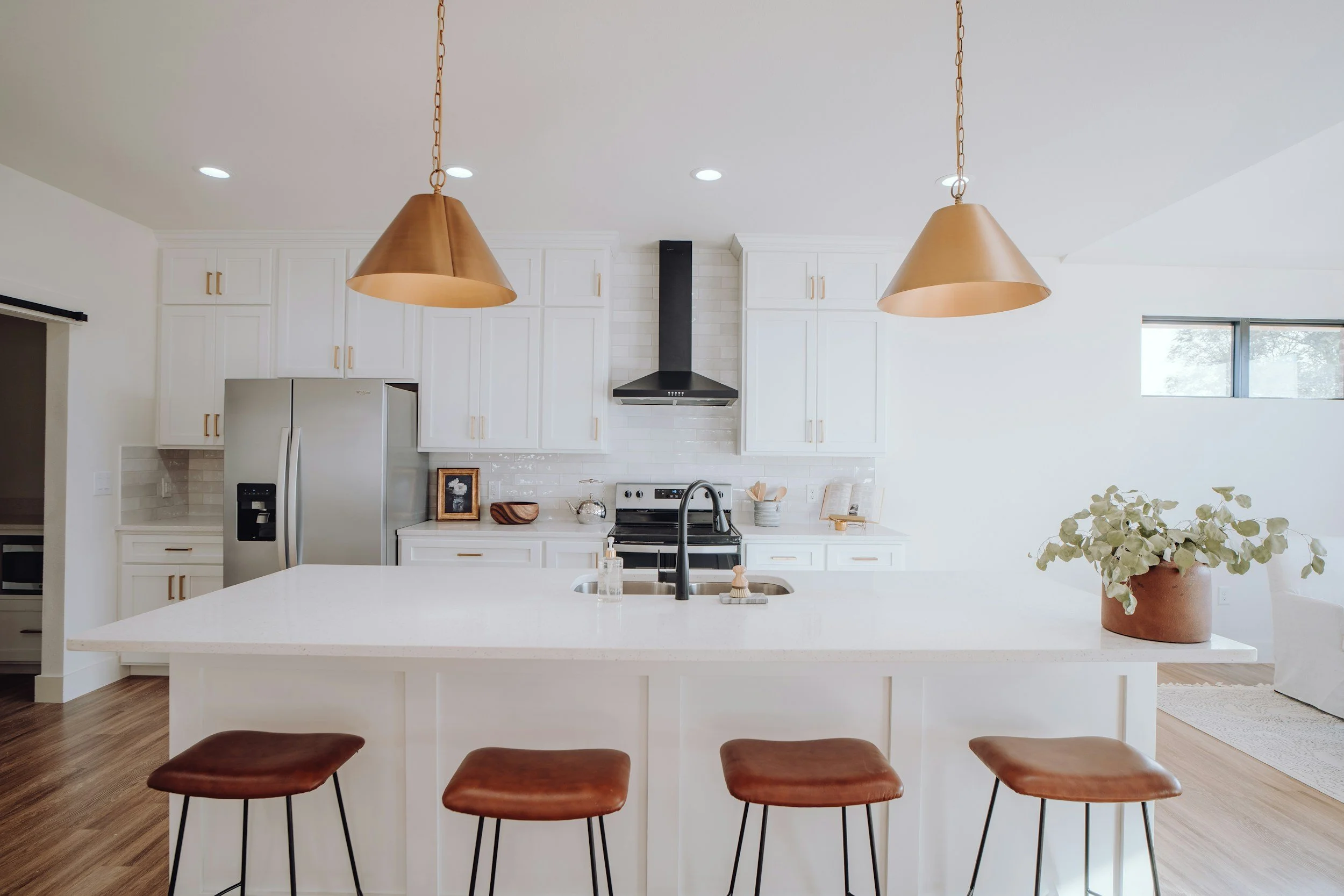
Photo by Bailey Alexander
2. Choose Cabinetry That Balances Style and Longevity
Cabinets are one of the biggest investments in a kitchen remodel, and they heavily influence resale value.
What adds value:
Frameless cabinets for a clean, contemporary look: Offers greater accessibility by eliminating the face frame of the cabinet, providing a sleek, simple aesthetic that can work with many design themes throughout the home.
Inset cabinets for a more upgraded, custom look: The seamless, flush design of inset cabinets creates an uncluttered, sophisticated look that feels like a built-in part of the home’s architecture. The clean lines and minimal gaps project permanence and craftsmanship, giving the kitchen a sense of balance and structure.
Shaker-style cabinets for broader appeal across home styles: The simple, flat-panel, and straight-frame design works in nearly any interior, from ultra-modern to rustic farmhouse, providing a clean, uncluttered aesthetic that does not look dated over time.
Soft-close hinges and full-extension drawers: Soft-close hinges enhance safety with a guaranteed quiet, gentle closing on doors and drawers, preventing damage and noise. Full-extension drawer slides enable the drawer to pull out completely, providing better organization and visibility.
Neutral tones like warm whites, soft taupe, or natural wood finishes: Soft, neutral hues bring warmth and depth without feeling stark or clinical. Light to mid-tone wood are making a strong comeback to add richness, texture, and organic beauty.
Colorado tip:
In Denver homes, there’s a strong preference for blending modern design with natural warmth. Rift-cut oak, walnut, and light wood tones pair beautifully with the region’s indoor-outdoor lifestyle.
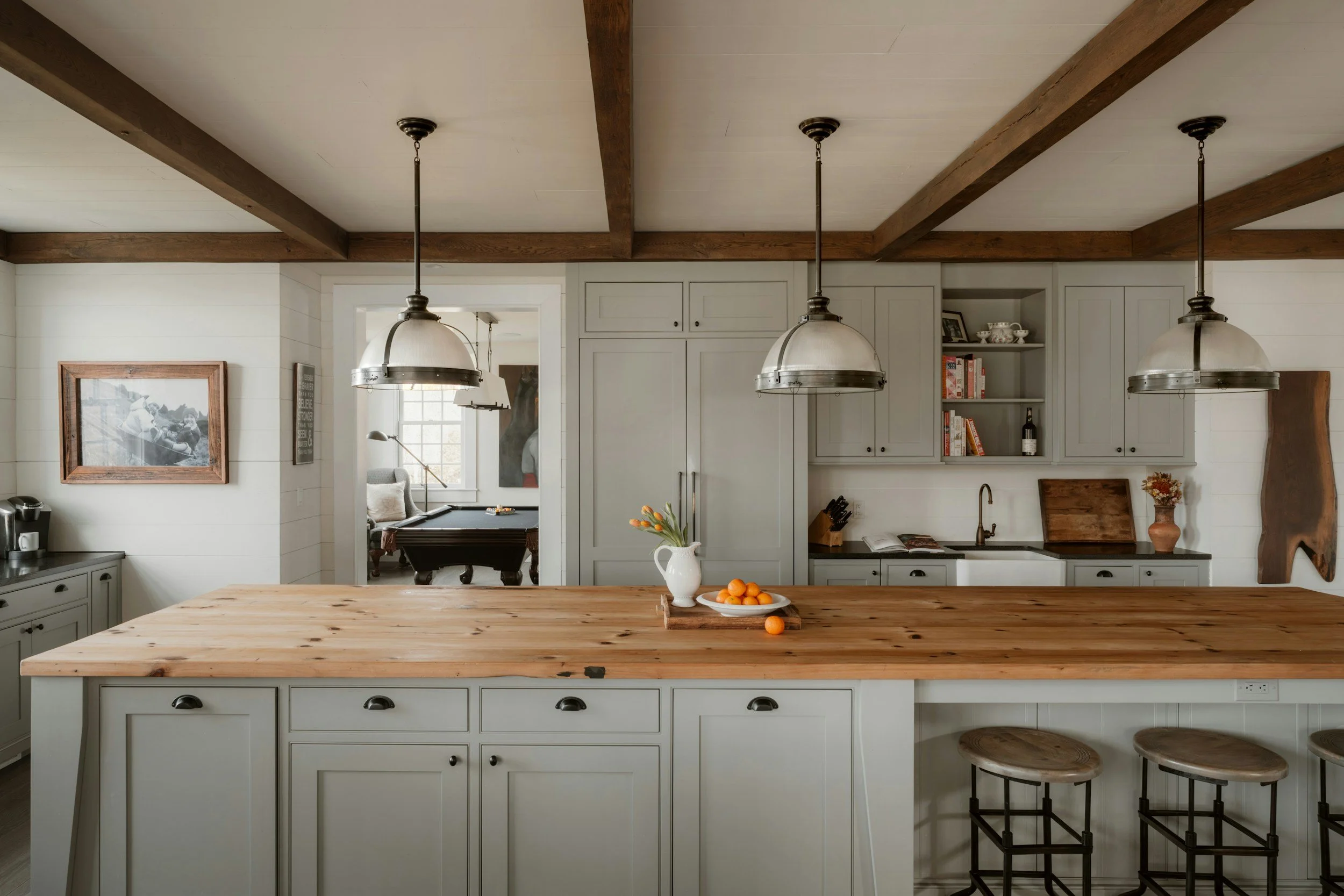
Photo by Clay Banks
Alternative: Consider Refinishing or Refacing Cabinets Instead of Replacing
If your existing cabinets are structurally sound, you don’t necessarily need to start from scratch to make a big impact. Refinishing or refacing can dramatically update the look of your kitchen at a lower cost—while still adding value.
What’s the difference?
Refinishing: Sanding and repainting or staining your existing cabinet doors and boxes
Refacing: Replacing cabinet doors and drawer fronts while keeping the existing cabinet boxes
Why it adds value:
Significantly more budget-friendly than full cabinet replacement
Faster timeline with less disruption to your home
Allows you to reinvest savings into other high-impact upgrades (like countertops, appliances, or layout improvements)
Best candidates for refinishing/refacing:
Cabinets with solid wood construction
Layouts that already function well
Homeowners looking to modernize without a full gut remodel
Design tips for a high-end result:
Swap out old hardware for updated finishes (brushed brass, matte black, or polished nickel)
Opt for timeless paint colors like warm white, greige, or muted earthy tones
Consider adding a contrasting island color or wood tone for depth
Denver insight:
Many homes in the Denver area—especially those built in the late 90s and early 2000s—have quality cabinet boxes but dated finishes (think heavy cherry or orange-toned oak). Refinishing these in lighter, more natural tones can instantly modernize the space while preserving materials.
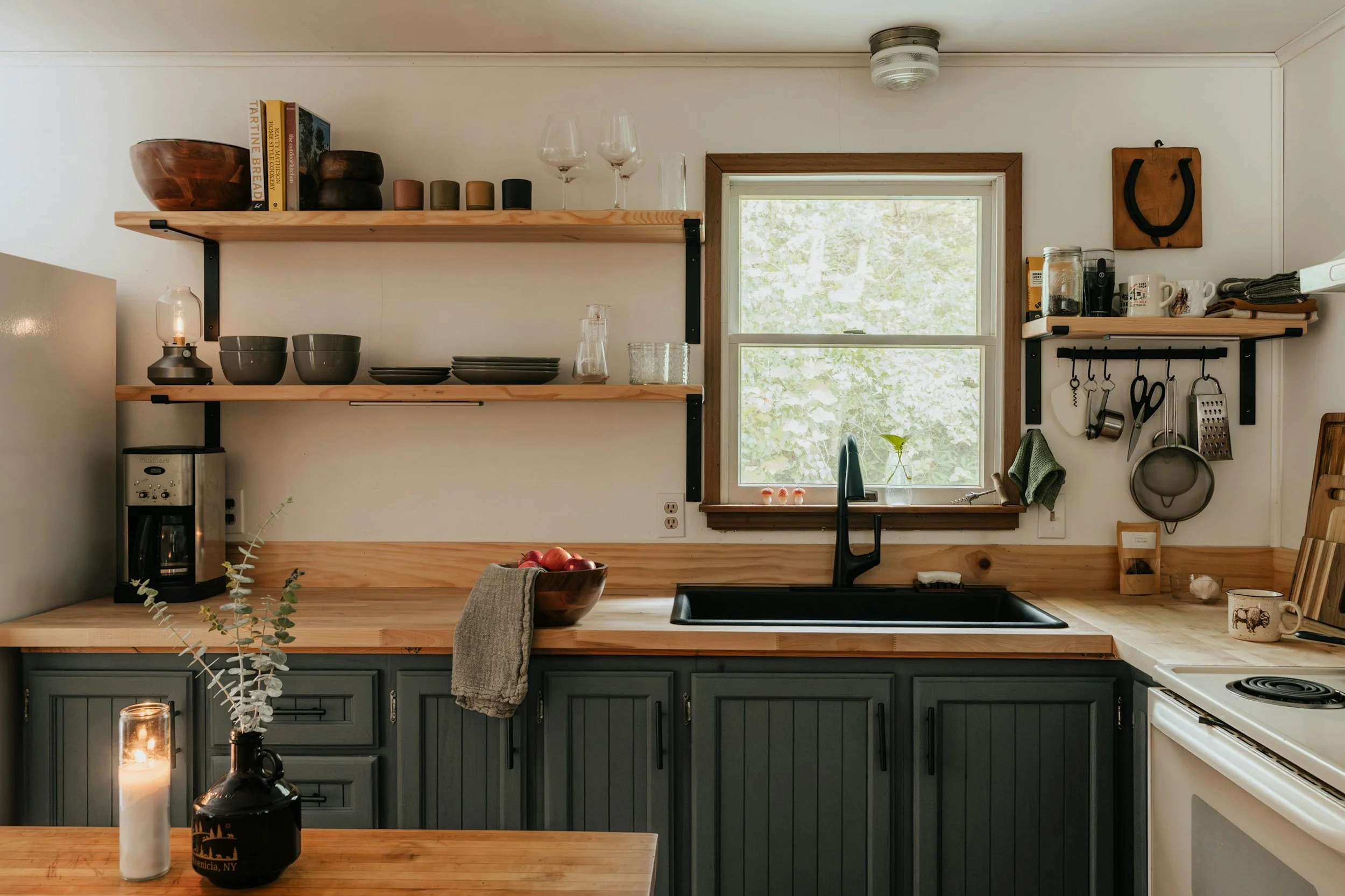
Photo by Clay Banks
3. Upgrade Countertops to Durable, High-End Materials
Buyers expect countertops that are both beautiful and low-maintenance.
Top choices:
Quartz for durability and consistency: As an engineered stone, quartz counters resist stains, scratches, and heat without requiring sealing, while providing consistent colors and versatile design options that can increase home resale value.
Quartzite or natural stone for a more organic, high-end look: Natural stone countertops, such as granite, marble, and quartzite, offer exceptional durability, heat resistance and unique colors and patterns that increase a home’s value. They are highly resistant to scratches and daily wear, providing a long-lasting, hygienic surface that resists bacteria when properly sealed, making them ideal for kitchens
Waterfall edges on islands for a dramatic touch: A design feature that extends the countertop down to the floor, creating a seamless, cascading look that adds a high-end, modern aesthetic,, often boosting home value while protecting cabinetry.
Avoid: overly trendy or high-maintenance materials that may not age well.
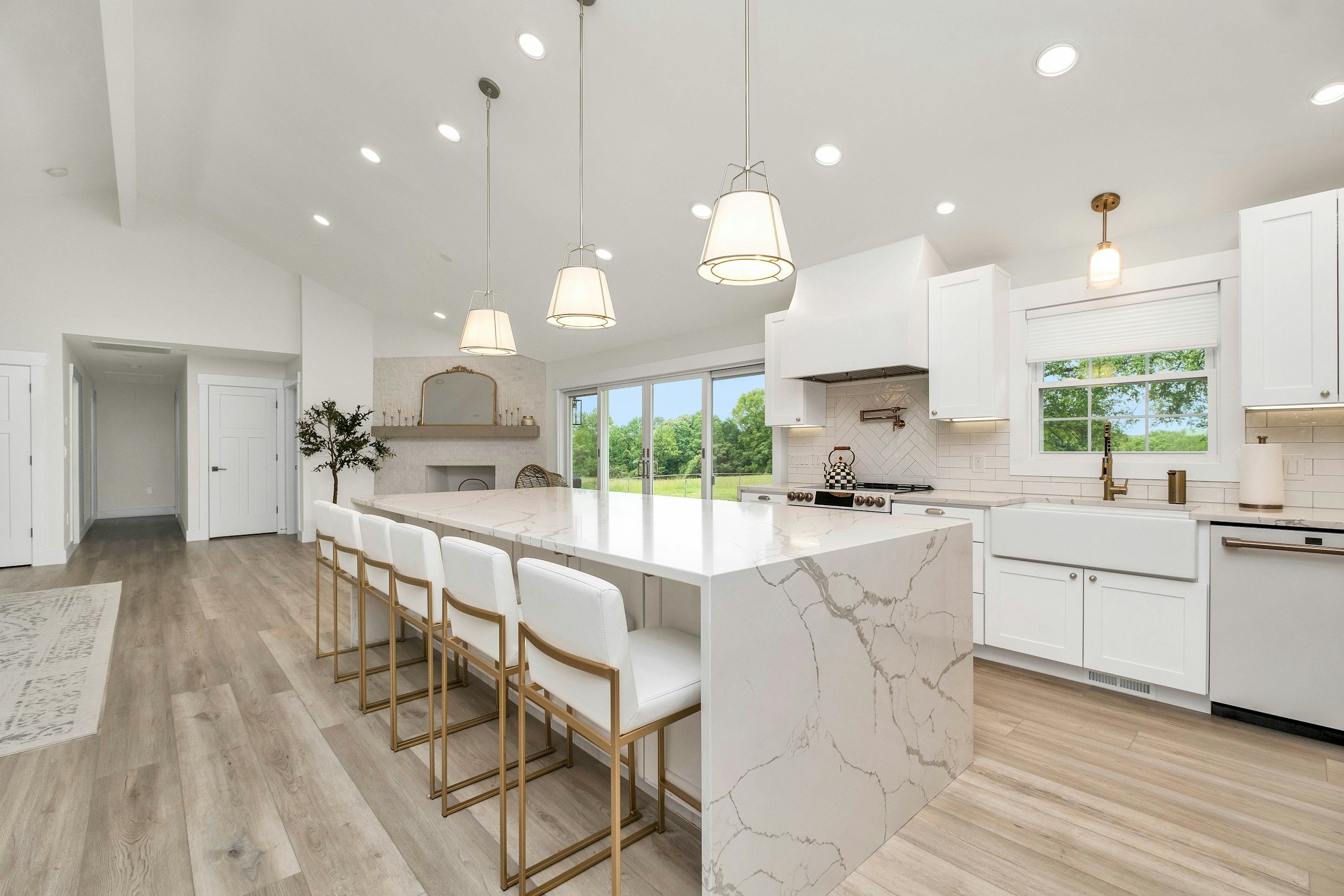
Photo by Zac Gudakov
4. Invest in Quality Appliances (But Be Strategic)
High-end appliances can elevate your kitchen—but not every home needs a luxury suite.
Where to prioritize:
A reliable, high-performance range, cooktop or built-in wall ovens: Ranges are more affordable, space-saving, and often offer better roasting/broiling in all-gas models. Wall ovens and cooktops offer better ergonomics and increased, flexible cooking capacity, though they are more expensive and require more complex installation.
Energy-efficient appliances: While sometimes higher in upfront cost, they offer long-term savings on utility bills and often provide superior performance by utilizing advanced technology like high-efficiency compressors in refrigerators, smart sensors for water levels, and induction technology in cooktops to operate more efficiently.
Counter-depth refrigerators for a built-in look: Their shallower profile help maintain clean lines and reduce visual clutter, ensuring the refrigerator does not dominate the kitchen space.
Denver consideration:
Energy efficiency matters here—not just for cost savings, but also for environmentally conscious buyers. Look for the ENERGY STAR® label when shopping for new appliances.
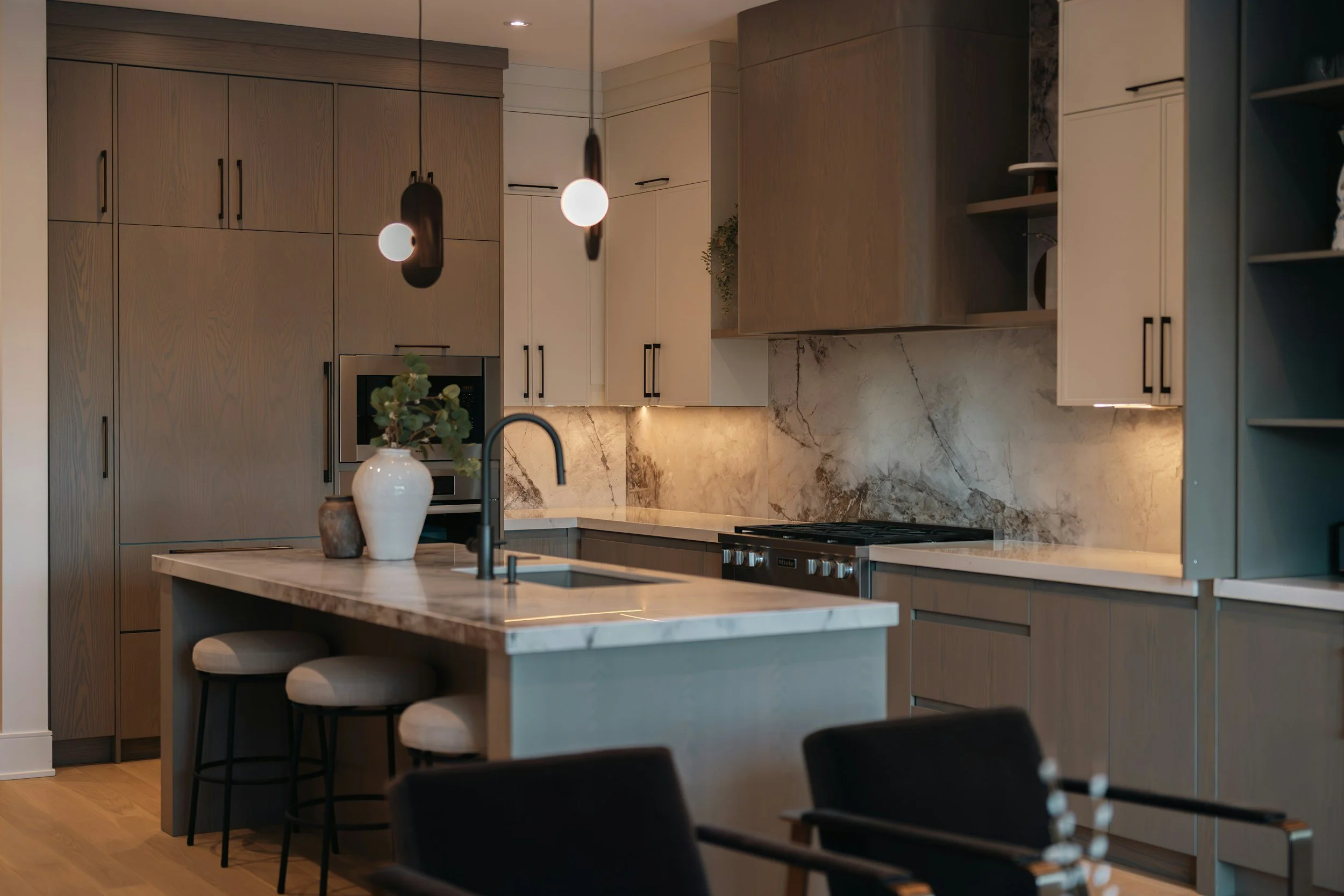
Photo by Franco Debartolo
5. Incorporate Smart Storage Solutions
Storage is one of the most overlooked ways to add value—and one of the most appreciated by homeowners.
Features that stand out:
Deep drawers instead of lower cabinets: Make storage more accessible, organized and efficient. Drawers also reduce strain on your back and knees by minimizing the need to crouch.
Pull-out pantry shelves: These shelves glide out smoothly, so you can quickly find ingredients without items getting lost in the back.
Built-in trash and recycling systems: Integrated into cabinetry, they streamline daily tasks like food prep and cleanup, help contain odors, and support more sustainable habits with designated compartments for sorting waste.
Appliance garages to reduce countertop clutter: Provide a designated space to store small appliances like toasters, coffee makers, and blenders. This keeps surfaces clean and visually streamlined while still allowing easy access when needed, supporting both form and function.
Why it works:
Buyers notice when a kitchen functions well, even if they can’t immediately articulate why.
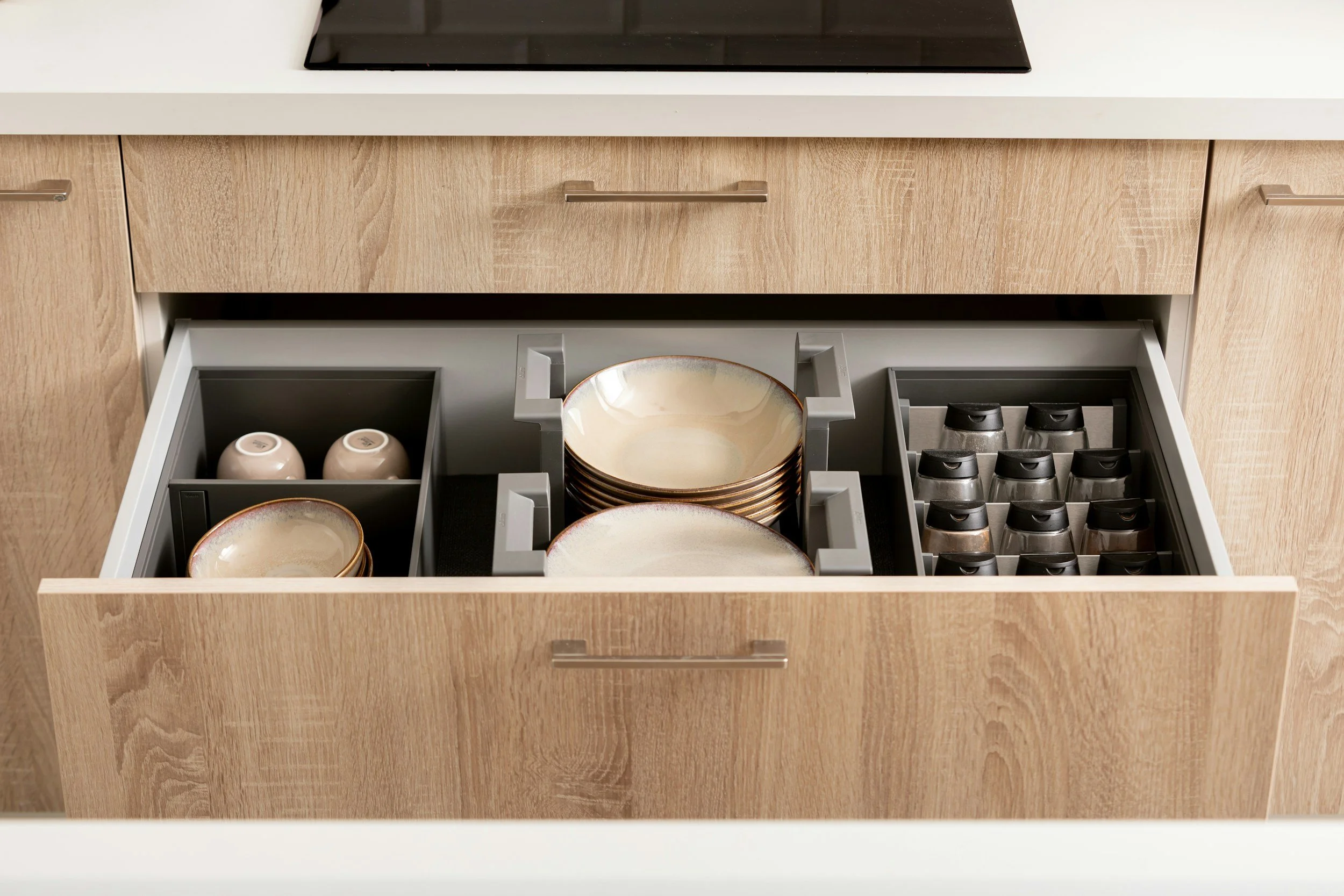
Photo by Orgalux
6. Use Materials That Reflect Colorado Living
Denver design often blends clean lines with natural textures, creating spaces that feel both refined and grounded.
Value-boosting material choices:
Wood accents (islands, beams, shelving): Incorporating wood accents is one of the most effective ways to bring warmth and a sense of authenticity into a kitchen or bathroom. Whether it’s a richly stained island, exposed ceiling beams, or floating wood shelving, these elements ground the space and create visual contrast against painted cabinetry or tile.
Natural stone or stone-look backsplashes: A backsplash is a perfect opportunity to introduce movement and organic beauty into your space. Natural stone—like marble, travertine, or slate—offers unique veining and variation that simply can’t be replicated, instantly elevating the design. For a more budget-friendly or low-maintenance option, stone-look porcelain tiles provide a similar aesthetic with greater durability and easier care.
Matte finishes over overly glossy surfaces: Matte finishes have become increasingly popular for their understated, modern appeal. Unlike high-gloss surfaces that reflect a lot of light and can sometimes feel harsh or overly polished, matte finishes absorb light and create a softer, more relaxed atmosphere.
Pro tip:
A full-height backsplash—especially in a natural or subtly patterned material—adds a custom, high-end feel; creating a dramatic focal point and allows the material to truly shine.
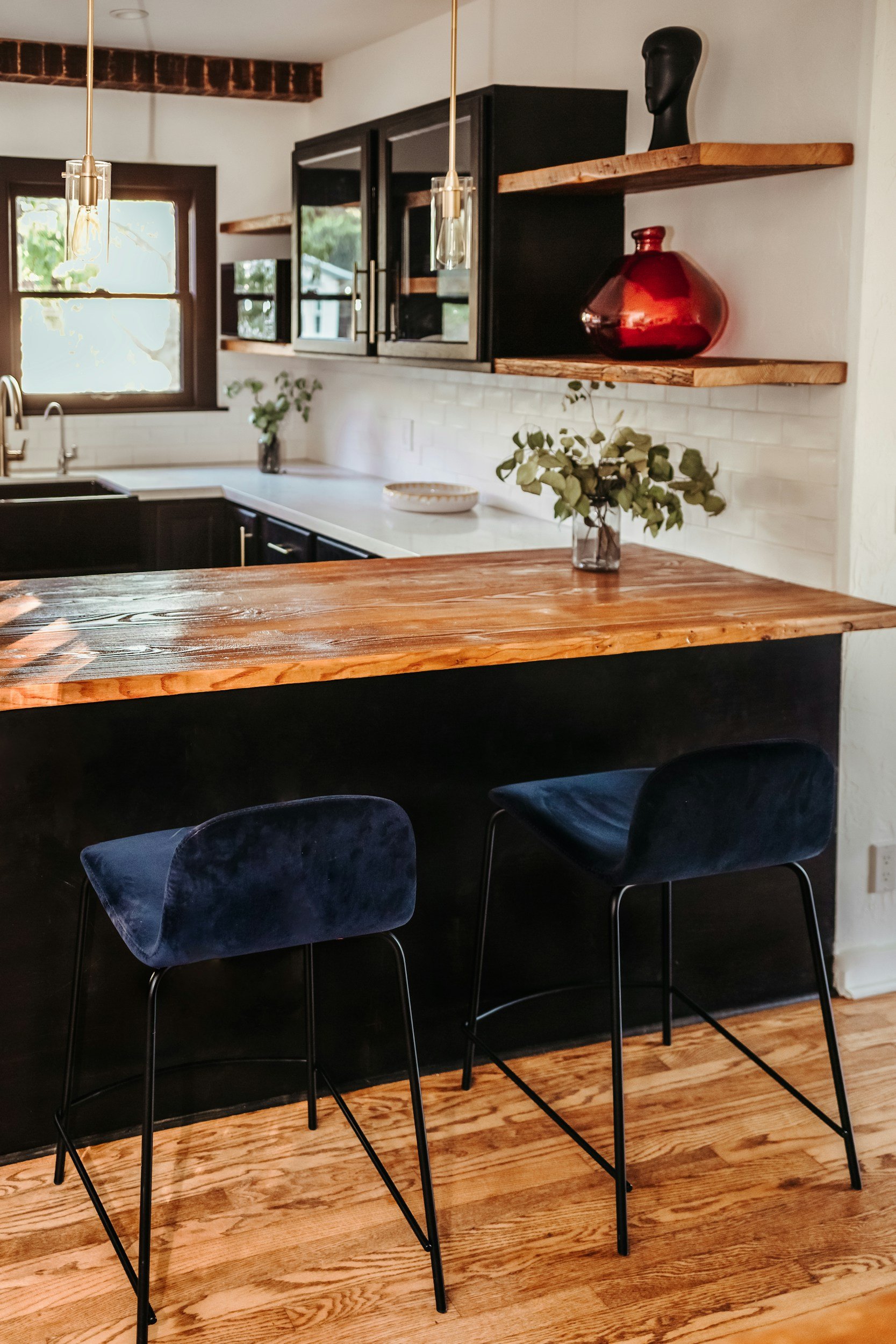
Photo by Michael DeMarco
7. Upgrade Lighting for Both Function and Atmosphere
Lighting can completely transform how a kitchen feels.
Layer your lighting with:
Statement pendant lights over the island: These fixtures naturally draw the eye, helping define the island as a central gathering space while adding personality and style.
Under-cabinet lighting for task work: Under-cabinet lighting is one of the most functional upgrades you can incorporate into a kitchen. By illuminating countertops directly, it reduces shadows and makes everyday tasks like chopping, cooking, and cleaning much easier and safer.
Recessed ceiling lights for general illumination: Recessed lighting provides the foundation for a well-lit space, offering clean, unobtrusive general illumination. When thoughtfully spaced and layered with other light sources—like pendants and under-cabinet lighting—recessed lights help create a balanced, functional lighting plan.
Denver bonus:
With over 300 days of sunshine a year, maximizing natural light (larger windows, minimal window coverings) can significantly boost appeal.
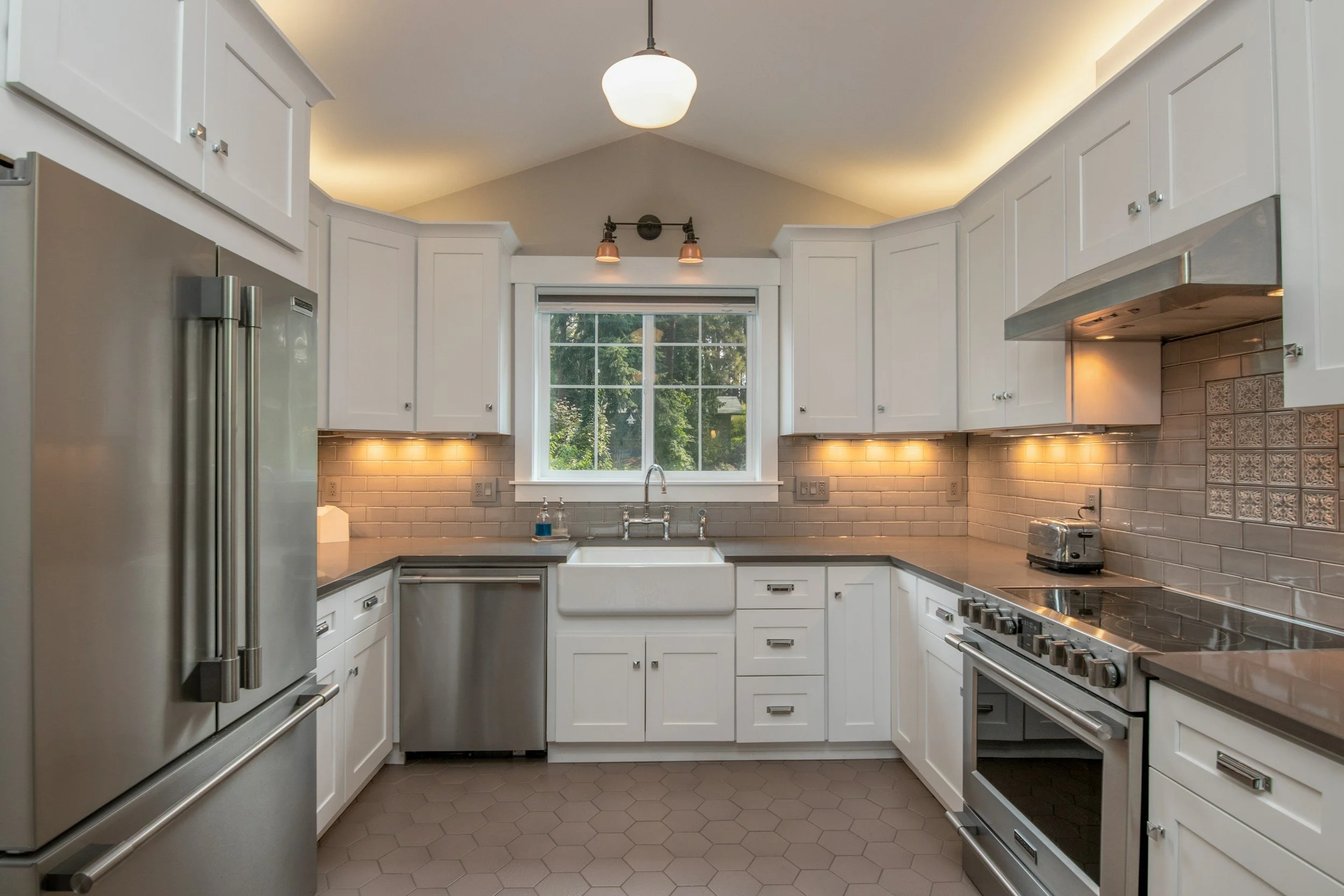
Photo by Clay Elliot
8. Don’t Overlook Water Efficiency & Fixtures
With Colorado’s ongoing focus on water conservation, fixtures matter more than ever.
Smart upgrades:
Water-efficient faucets: WaterSense® certified faucets reduce water flow by 30%. They ensure efficiency without sacrificing pressure, saving the average family 700 gallons of water annually.
Smart kitchen faucets: Enhance hygiene and convenience with motion sensors, touch activation and voice control, reducing cross-contamination and water waste. Ideal for cleaning hands after handling raw, sticky, or messy food.
Deep, functional sinks: Single basin kitchen sinks are trending as they offer a spacious workspace ideal for cleaning large pots or pans. They provide a modern, minimalist aesthetic, are generally easier to clean, and are highly efficient for both small kitchens and heavy-duty cooking tasks.
These choices not only appeal to eco-conscious buyers but can also be a subtle selling point in listings.
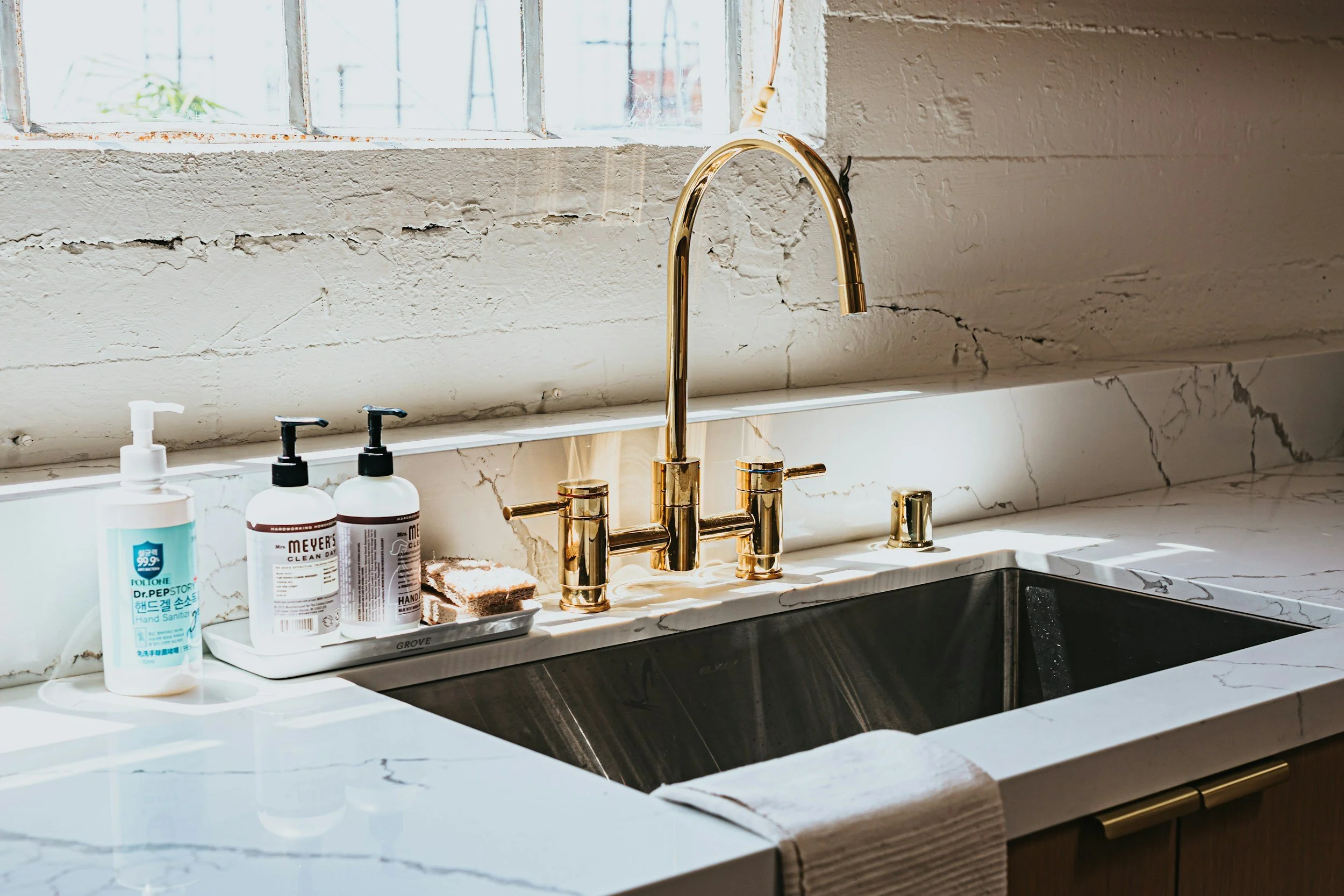
Photo by Andrew Valdivia
9. Stick to a Cohesive, Timeless Design
It’s tempting to chase trends, but timeless design consistently delivers better long-term value.
Safe (but still stylish) choices:
Neutral color palettes: A neutral color palette is the foundation of a timeless space. Soft whites, warm beiges, muted grays, and earthy tones create a calm, cohesive backdrop that won’t feel dated as trends evolve. These hues allow other design elements—like cabinetry, lighting, and natural materials—to take center stage without overwhelming the space.
Simple cabinet profiles: Cabinetry plays a major role in the overall look of a kitchen, which is why simple, clean-lined profiles tend to stand the test of time. Styles like Shaker or flat-panel (slab) allows the cabinetry to adapt seamlessly to a range of design styles—from traditional to modern—without feeling locked into a specific trend.
Classic hardware finishes (brushed brass, matte black, or polished nickel): Hardware may seem like a small detail, but it has a big impact on the overall aesthetic—and choosing classic finishes helps ensure longevity. Brushed brass adds warmth and a subtle hint of luxury without feeling overly flashy, while matte black offers contrast and a modern edge that pairs well with a variety of palettes. Polished nickel sits comfortably in between, with a soft sheen that feels both traditional and fresh.
You can always layer in personality through decor, lighting, or easily changeable elements.
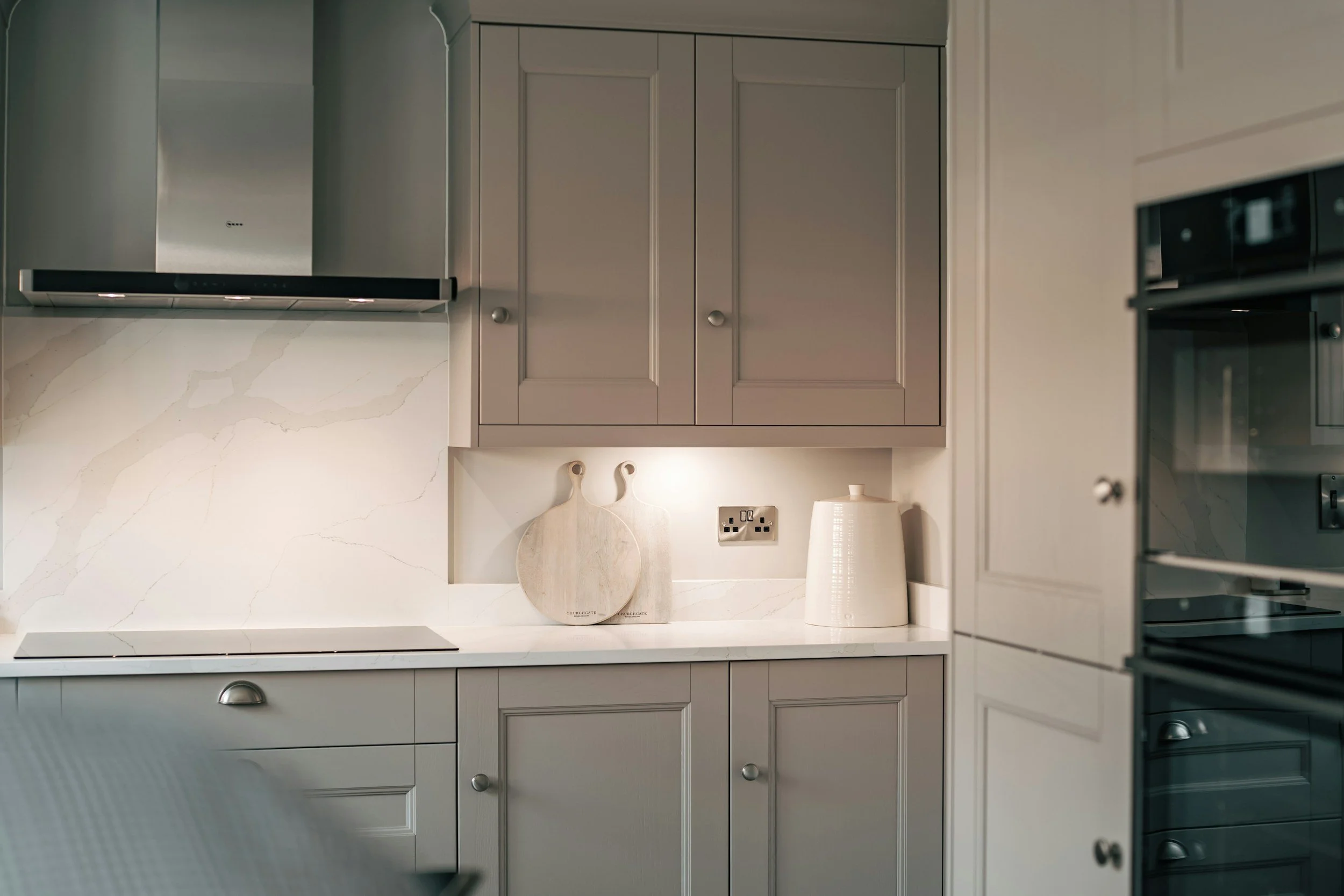
Photo by Rick Barrett
10. Work with Local Professionals Who Understand the Market
Denver’s housing market has its own nuances—from architectural styles to buyer expectations.
A local designer or contractor can help you:
Avoid over-improving for your neighborhood: A designer brings a strategic perspective, helping you align your selections and scope with local market expectations. They understand where it makes sense to splurge and where to scale back, ensuring your investment is both thoughtful and financially sound. Instead of overbuilding with features that won’t yield a return, a designer helps you prioritize upgrades that add real value.
Select materials that perform well in Colorado’s dry climate: A designer can guide you toward finishes and products that hold up well over time—such as stable wood species, humidity-resistant cabinetry, and materials less prone to cracking or warping.
Make design choices that resonate with local buyers: A designer familiar with the Colorado market understands the styles, materials, and features that resonate locally—whether that’s warm, nature-inspired palettes, layered textures, or a balance of modern and rustic elements. By tailoring your design to these preferences, they help create a space that feels both current and broadly appealing.
Final Thoughts
A kitchen remodel is one of the most powerful ways to add value to your Denver home—but the key is making thoughtful, market-aware decisions. Prioritize layout, invest in quality materials, and design with both functionality and Colorado’s unique aesthetic in mind.
When done right, your kitchen won’t just look better—it will work better, feel better, and ultimately make your home more desirable in a competitive market.