
Choosing Fixtures: What Matters Beyond Looks
Fixtures are often treated like the finishing touch—the jewelry of a space. And while their visual impact is undeniable, choosing the right fixtures for your kitchen, bathroom, or laundry room goes far beyond appearance. The best selections strike a balance between form, function, durability, and how you actually live in your home.
Here’s what to consider before falling in love with a faucet or fixture purely for its looks.
Function First: How Do You Use the Space?
Before diving into finishes and styles, think about daily use.
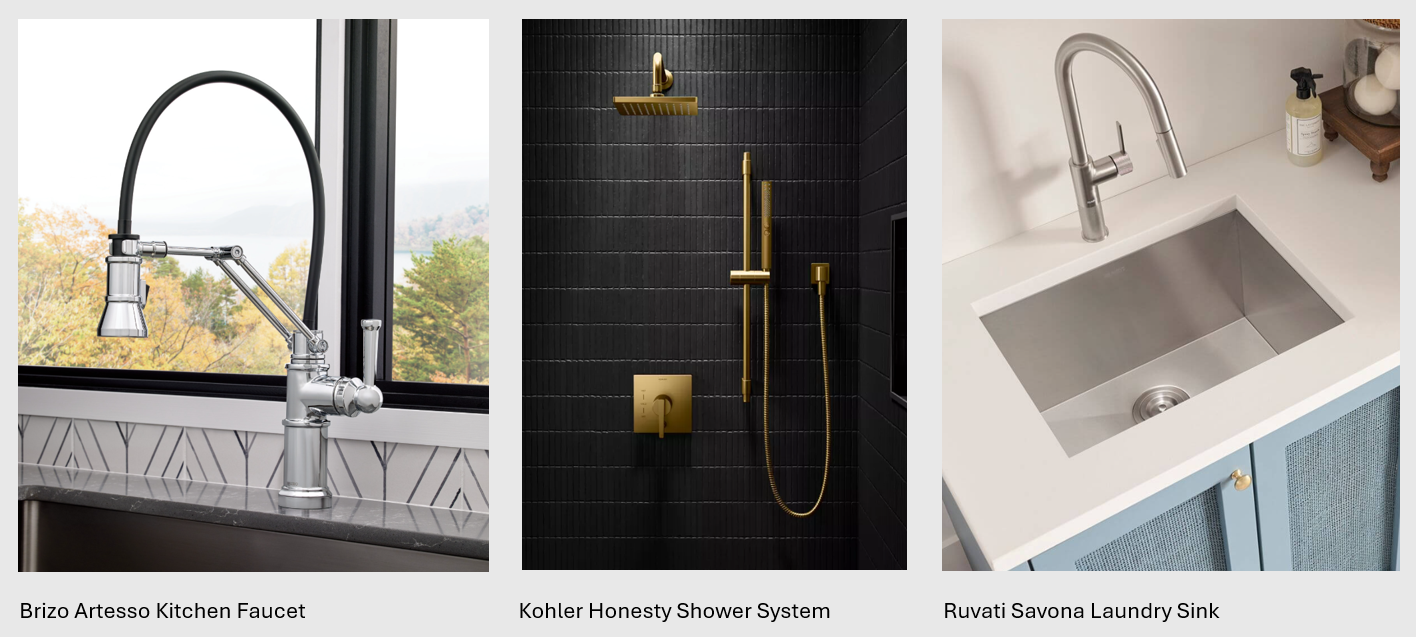
In the kitchen, your faucet is one of the hardest-working elements. Do you cook often? Fill large pots? Clean oversized pans? A high-arc faucet with a pull-down sprayer and strong pressure might be essential.
In the bathroom, consider who’s using the space. A primary bath may benefit from a more customized shower system, while a guest bath can prioritize simplicity and ease of use.
In the laundry room, utility matters most. A deep sink paired with a durable, high-clearance faucet can make everything from hand-washing delicates to rinsing muddy shoes significantly easier.
Quality & Internal Components Matter
Two fixtures can look nearly identical on the outside—but perform very differently over time.
Look for solid brass construction over plastic components
Choose brands known for ceramic disc valves, which offer smoother operation and longer lifespan
Pay attention to warranty coverage, especially for frequently used fixtures
Investing in quality upfront often saves frustration (and replacement costs) later.
Water Pressure & Performance
Not all fixtures perform the same, even if they meet standard flow rates.
Kitchen faucets: Look for strong, consistent spray and easy toggling between functions
Shower systems: Consider pressure balance or thermostatic valves to maintain consistent temperature
Rain shower heads: Beautiful, but require adequate water pressure to function as intended
Toilets: Getting a toilet with a tornado flush not only cleans more effectively, it does so quietly using less water
Colorado Consideration:
In Colorado, water conservation is a key factor in fixture selection. Many areas follow strict efficiency standards, meaning fixtures are designed to limit water flow without sacrificing performance. Look for WaterSense-certified fixtures, which are engineered to use less water while maintaining strong, effective pressure. This is especially important for showers—choosing a well-designed low-flow showerhead ensures you stay compliant with local guidelines while still enjoying a comfortable experience.
Performance can vary based on your home’s plumbing, so it’s worth confirming compatibility before making a final decision.
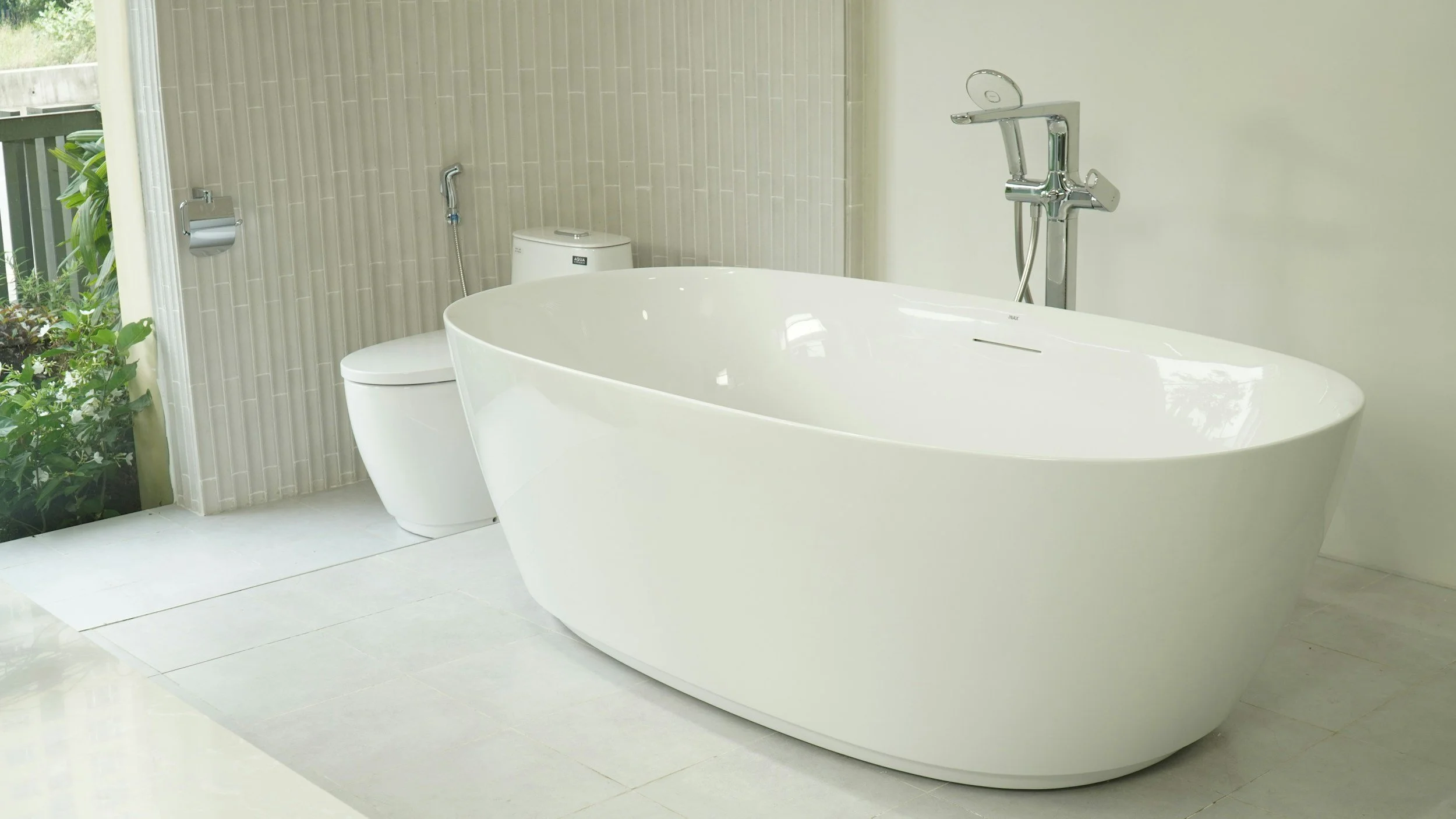
Photo by Noithat Rakhoi
Finish: Beauty Meets Durability
Finish is where style and practicality intersect.
Popular options include:
Chrome: Durable, easy to clean, and widely available
Brushed Nickel: Soft, warm, and forgiving with water spots
Matte Black: Bold and modern, but can show mineral buildup in certain environments
Unlacquered Brass: Living finish that patinas over time—beautiful, but requires acceptance of change
Think about maintenance: do you want something that hides fingerprints and water spots, or are you okay with regular upkeep to maintain a polished look?
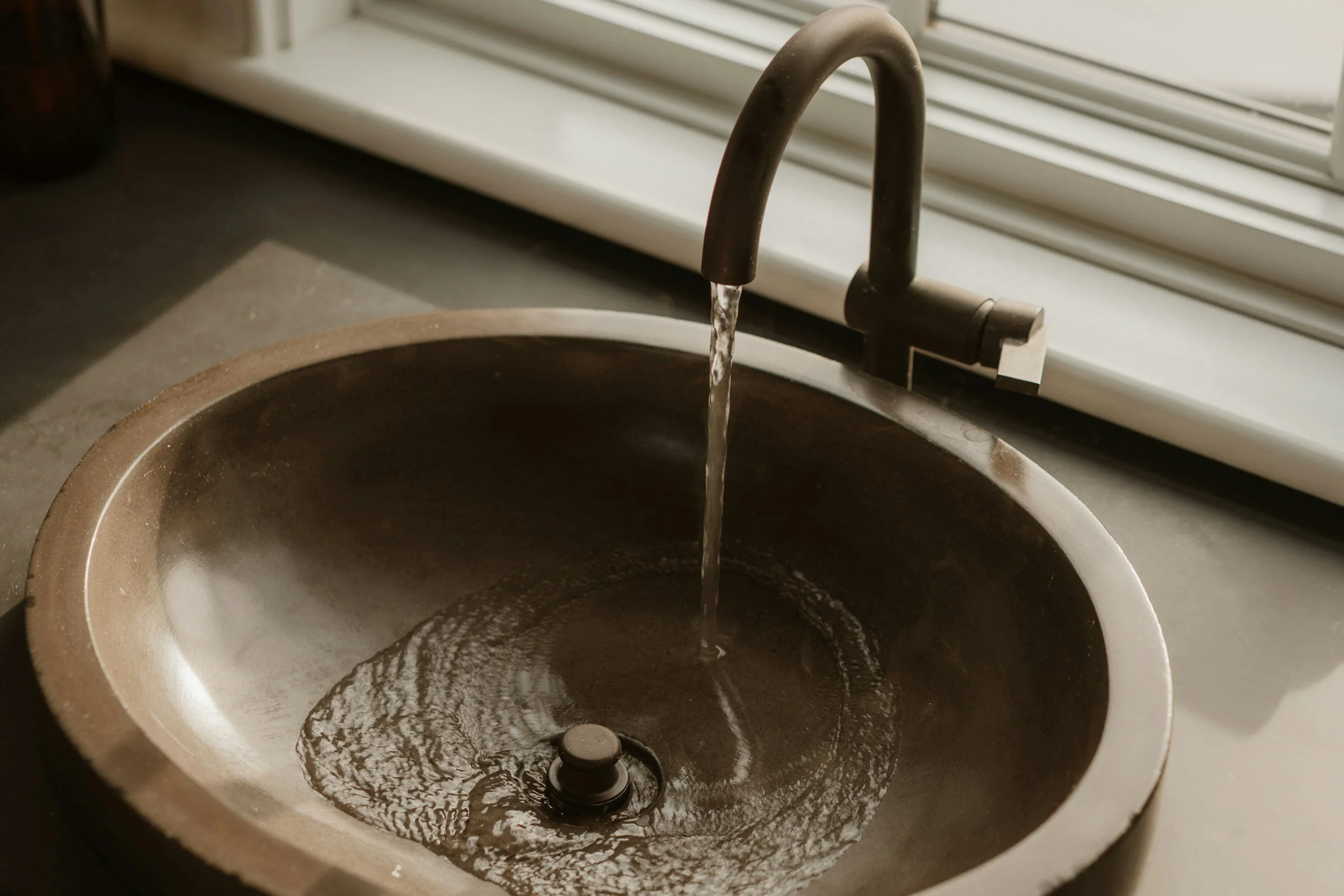
Photo by Clay Banks
Consistency Across Spaces
Fixtures don’t have to match perfectly across your home—but they should feel cohesive.
Stick to one or two primary finishes throughout
Mix styles intentionally (for example, modern faucets with warm wood cabinetry for contrast)
Keep undertones consistent—cool vs. warm metals
This is especially important in open-concept homes, where the kitchen, dining, and living spaces visually connect.
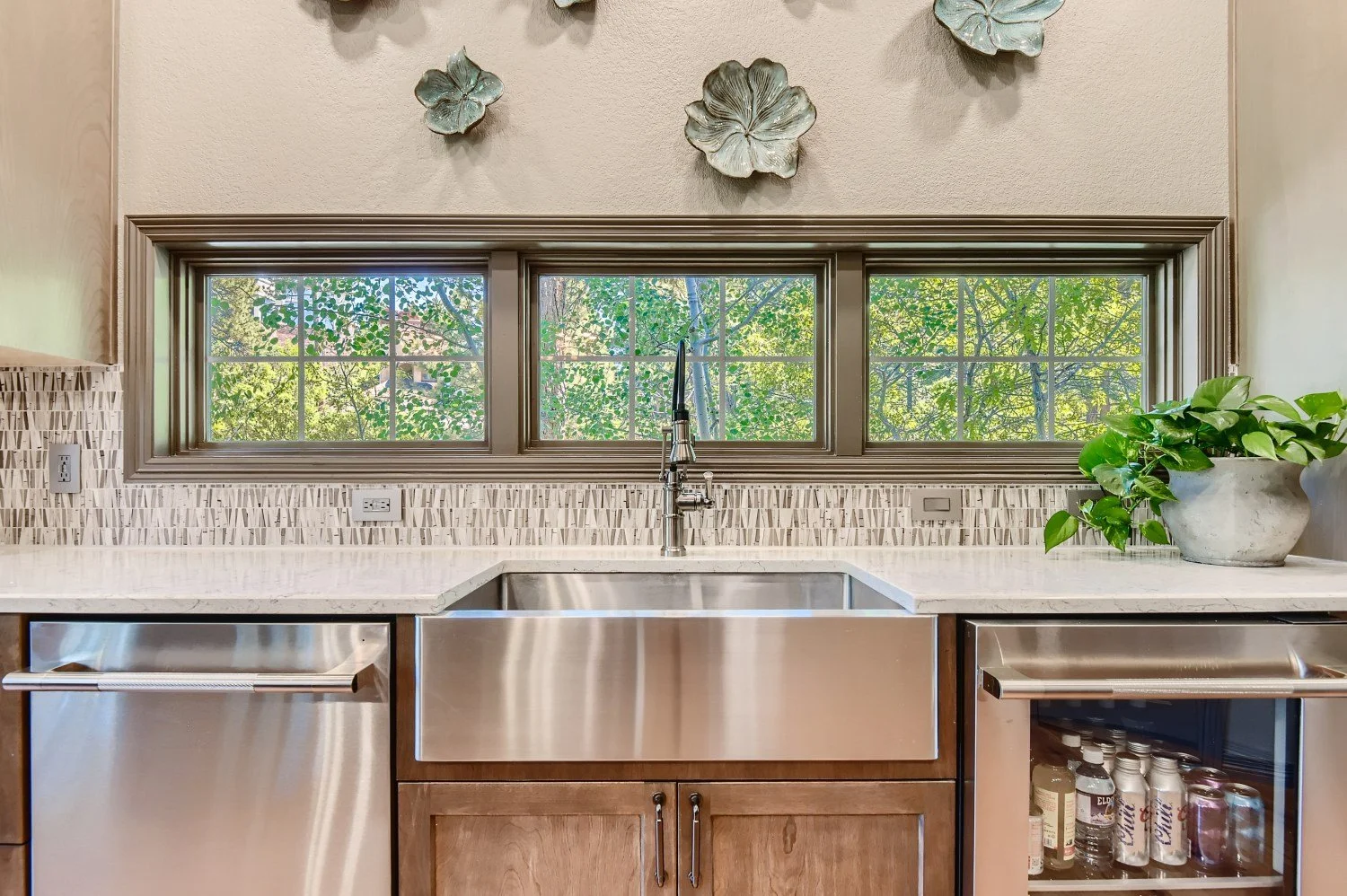
A stainless steel and black faucet pairs seamlessly with stainless steel appliances and warm cabinetry. Adding matte black hardware and light fixtures bring added depth to the space, proving that mixing finishes works best when tones are thoughtfully balanced.
Kitchen Remodel in Castle Pines, Colorado. Installed by Striking Remodels.
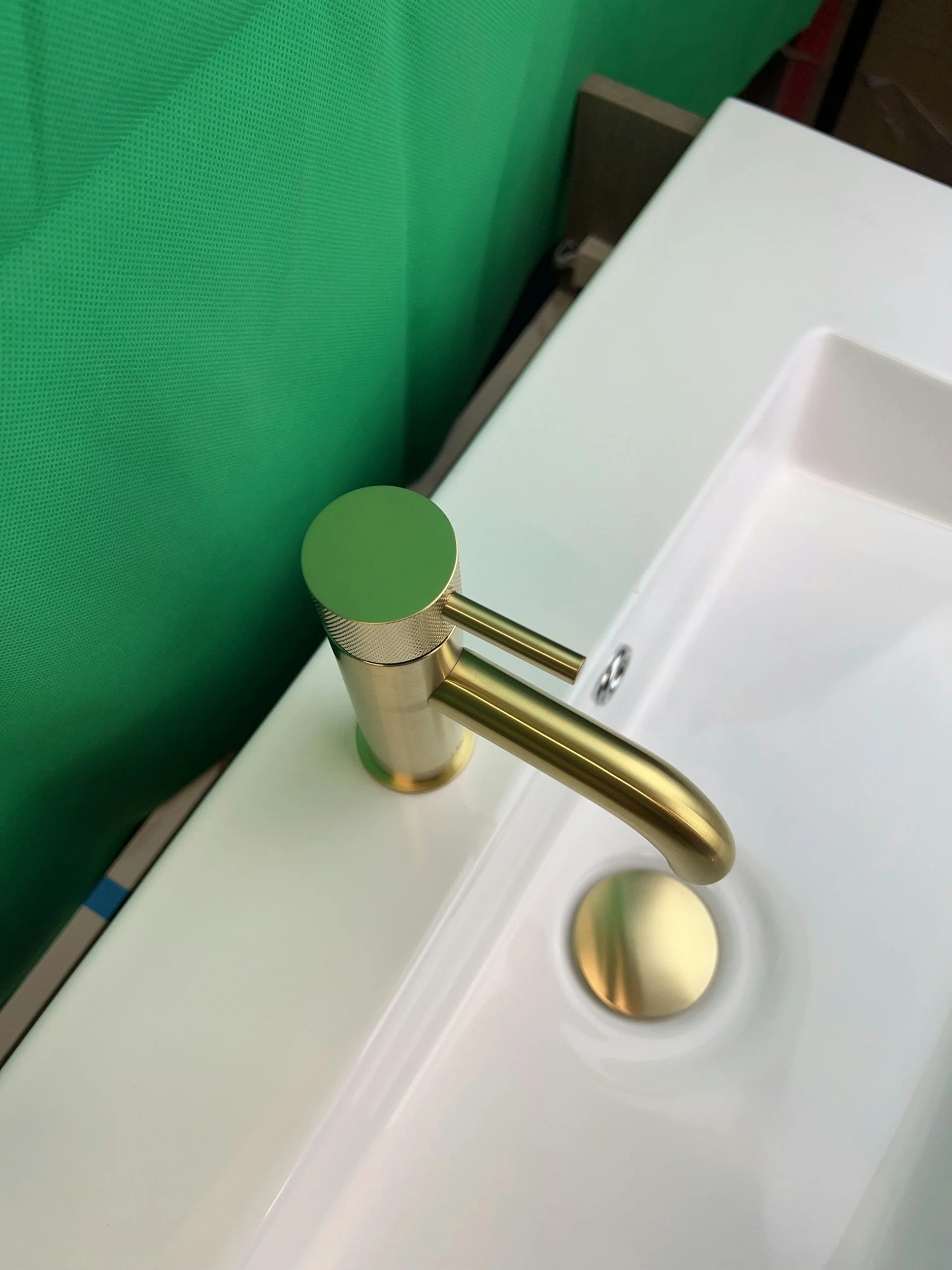
Photo by Elena M
Ergonomics & Ease of Use
A beautiful fixture that’s awkward to use quickly becomes frustrating.
Test handle placement and movement
Consider single-handle vs. widespread faucets
Look at sprayer reach and docking in kitchen faucets
Ensure shower controls are intuitive and accessible
Design should support your daily routines—not complicate them.
Installation & Compatibility
Not all fixtures are plug-and-play.
Check hole configurations (especially for sinks and countertops)
Ensure compatibility with existing plumbing or factor in modifications
Consider wall-mounted vs. deck-mounted options early in the design process
Making these decisions upfront prevents costly changes during installation.
Don’t Overlook the Sink
Fixtures and sinks go hand in hand.
Kitchen sinks: Single bowl vs. double bowl, depth, and material (stainless, fireclay, composite) all affect usability
Bathroom sinks: Undermount for a clean look, vessel for a statement, integrated for minimalism
Laundry sinks: Prioritize depth and durability over aesthetics alone
A stunning faucet can’t compensate for a sink that doesn’t function well for your needs.
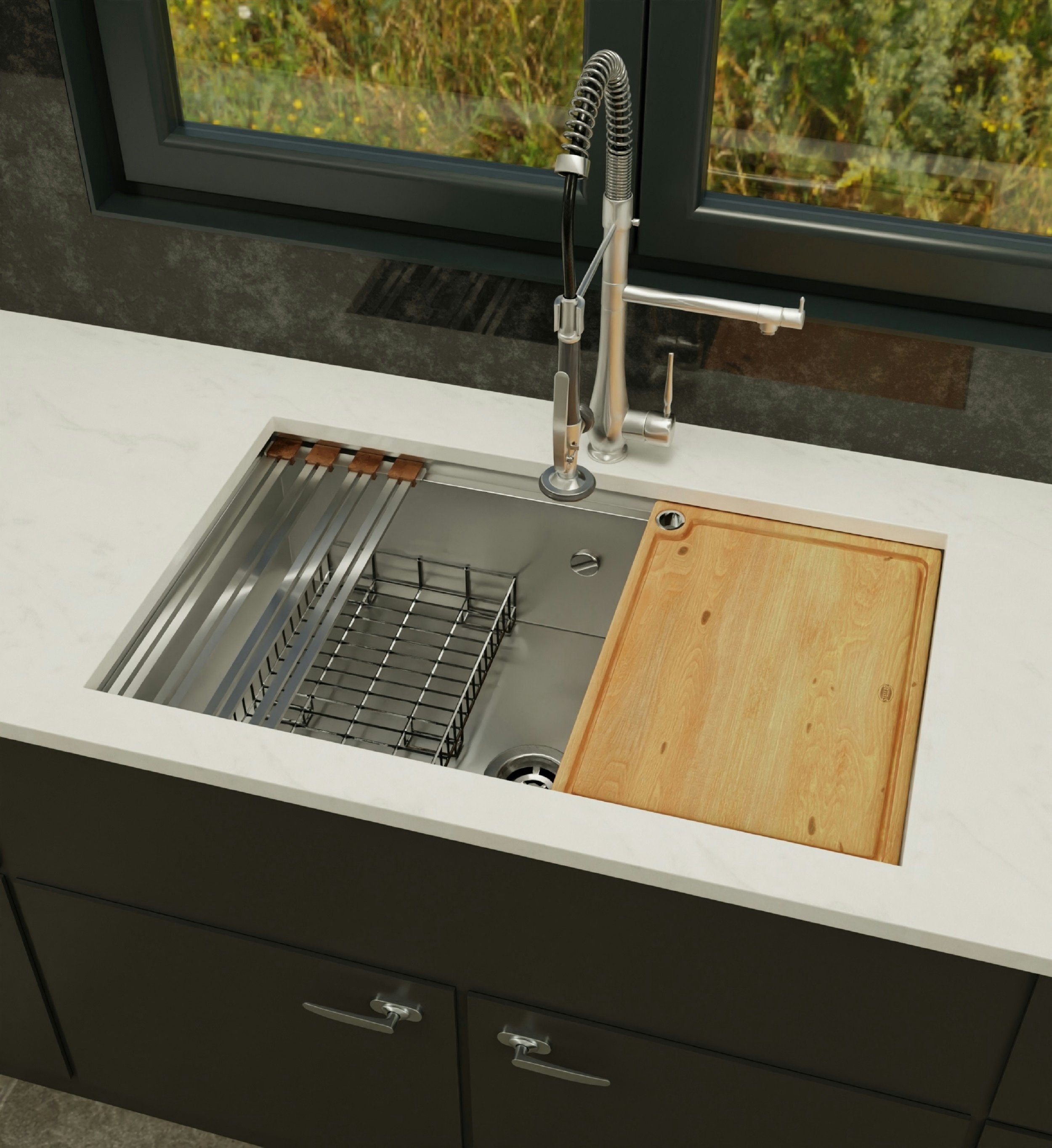
Workstation sinks specialize in minimizing mess and maximizing space. By adding built-in accessories that slide on integrated tracks, workstation sinks can truly transform your kitchen.
Photo by Sufyn
Balancing Style with Longevity
Trends come and go, but fixtures are not always easy to swap out—especially when plumbing is involved.
Choose designs that:
Feel aligned with your overall home style
Have a level of timelessness, even if they lean modern or bold
Won’t feel dated in just a few years
The Takeaway
Fixtures do more than complete a space—they shape how it functions every single day. When you look beyond aesthetics and consider quality, performance, and usability, you create spaces that not only look beautiful but truly support your lifestyle.
Because the best design isn’t just what you see—it’s what works effortlessly behind the scenes.