
How to Avoid Over-Improving Your Home During a Remodel
One of the biggest risks homeowners face during a remodel is investing beyond what their home—and their neighborhood—can realistically support. It’s easy to get inspired by luxury kitchens on social media, high-end showrooms, and home renovation television shows. But not every upgrade translates into added home value.
The goal of a successful remodel isn't simply to create a beautiful space. It's about making thoughtful design decisions that enhance your daily life while protecting your long-term investment. This is especially important in Colorado, where home values, buyer expectations, and neighborhood price points can vary dramatically from one community to the next.
What Does “Over-Improving” Mean?
Over-improving occurs when the cost of a renovation significantly exceeds what buyers in your area are willing to pay for those upgrades.
For example, installing a $25,000 professional-grade appliance package, imported marble throughout the kitchen, and fully custom cabinetry may make sense in a luxury neighborhood in Cherry Hills Village or parts of Boulder. However, those same upgrades may not provide a strong return in a mid-range neighborhood in Highlands Ranch, Parker, Castle Rock, or many Denver suburbs.
Every neighborhood has a market ceiling—the highest value buyers are typically willing to pay based on location, lot size, school district, and surrounding homes. When a remodel pushes a home far beyond that ceiling, homeowners often struggle to recover their investment when it comes time to sell.
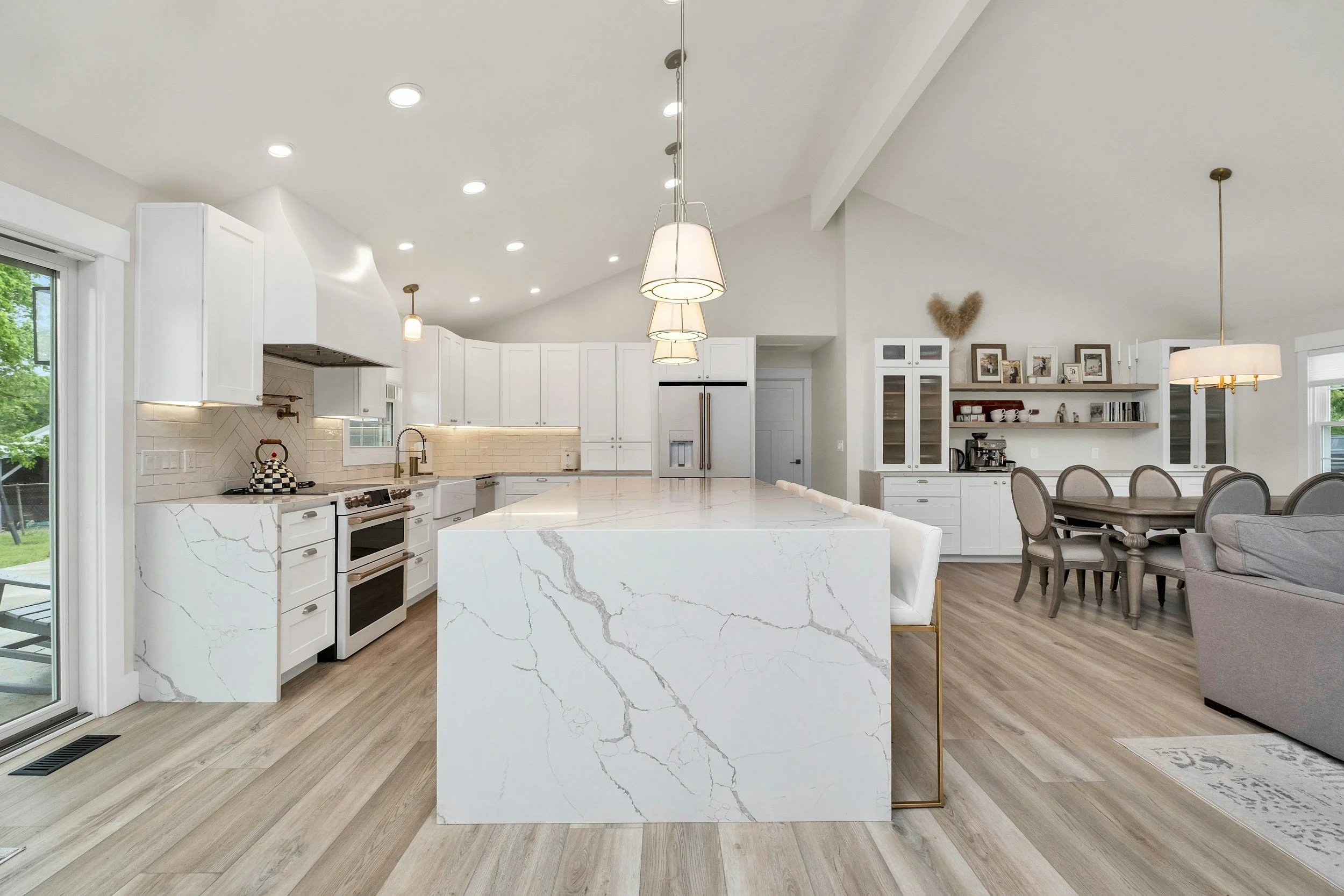
Photo by Zac Gudakov
Why It Matters - Even If You're Not Planning to Move
Many homeowners begin a remodel with no intention of selling. They want a space that functions better for their family, reflects their style, and improves their quality of life.
Those are all worthwhile goals.
However, life can change unexpectedly. Job opportunities, family needs, retirement plans, or changes in the housing market can alter your timeline. Even if you stay in your home for many years, it's wise to consider how renovation decisions may affect future resale value.
Over-improving can:
Limit the number of potential buyers
Increase the time your home spends on the market
Reduce your return on investment
Require price reductions to remain competitive
Create maintenance costs that future buyers may view as a burden
The best remodeling projects strike a balance between personal enjoyment and long-term value.
Photo by Hemant Kanojiya
Colorado-Specific Considerations
Colorado's housing market presents some unique remodeling challenges and opportunities.
1. Neighborhood Expectations Matter
A kitchen remodel in downtown Denver may look very different from one in Castle Pines, Evergreen, or Fort Collins.
Buyers often compare homes within a specific neighborhood rather than across an entire city. If surrounding homes feature quartz countertops, semi-custom cabinetry, and standard appliance packages, installing luxury features far beyond local expectations may not significantly increase your home's value.
Before investing heavily in upgrades, consider:
Recent comparable home sales
Typical finish levels in your neighborhood
Buyer expectations for your price range
Future development plans in your area
2. Water-Wise Design Is Increasingly Valuable
Colorado's semi-arid climate has made water conservation an important consideration for homeowners.
Features that support water efficiency often provide both functional and resale benefits, including:
Low-flow faucets and showerheads
Water-efficient toilets
Smart irrigation systems
Drought-tolerant landscaping
Native Colorado plantings
These upgrades typically provide more practical value than purely luxury features that add little day-to-day benefit.
3. Energy Efficiency Matters
Colorado experiences both hot summers and cold winters, making energy-efficient improvements attractive to buyers.
Consider upgrades such as:
Improved insulation
Energy-efficient windows
Smart thermostats
LED lighting systems
High-efficiency HVAC equipment
Many buyers appreciate lower utility costs and improved comfort throughout the year.
Photo by Clay Banks
Finding the Right Balance
A successful remodel doesn't mean choosing the most expensive option available. Instead, it means prioritizing investments that improve functionality, durability, and overall appeal.
Generally, buyers place the greatest value on:
Functional floor plans
Updated kitchens
Modern bathrooms
Adequate storage
Quality workmanship
Energy efficiency
Durable materials
These improvements tend to have broader appeal and remain relevant for many years.
Photo by Taylor Beach
Areas Worth Investing In
Kitchen Layout and Function
In many Colorado homes built during the 1980s and 1990s, kitchens can feel compartmentalized or lack sufficient workspace. Improving traffic flow, increasing storage, or creating better connections between living spaces often delivers greater value than expensive decorative upgrades.
Quality Cabinetry
Cabinets are one of the most visible and heavily used features in any kitchen. Investing in well-built cabinetry with functional storage solutions often provides a better return than spending heavily on trendy finishes.
Durable Countertops
Quartz continues to be a popular choice among Colorado homeowners because it offers durability, low maintenance, and broad appeal.
Lighting
Layered lighting is one of the most overlooked upgrades in remodeling. Combining ambient, task, and accent lighting can dramatically improve how a space looks and functions without requiring a massive budget.
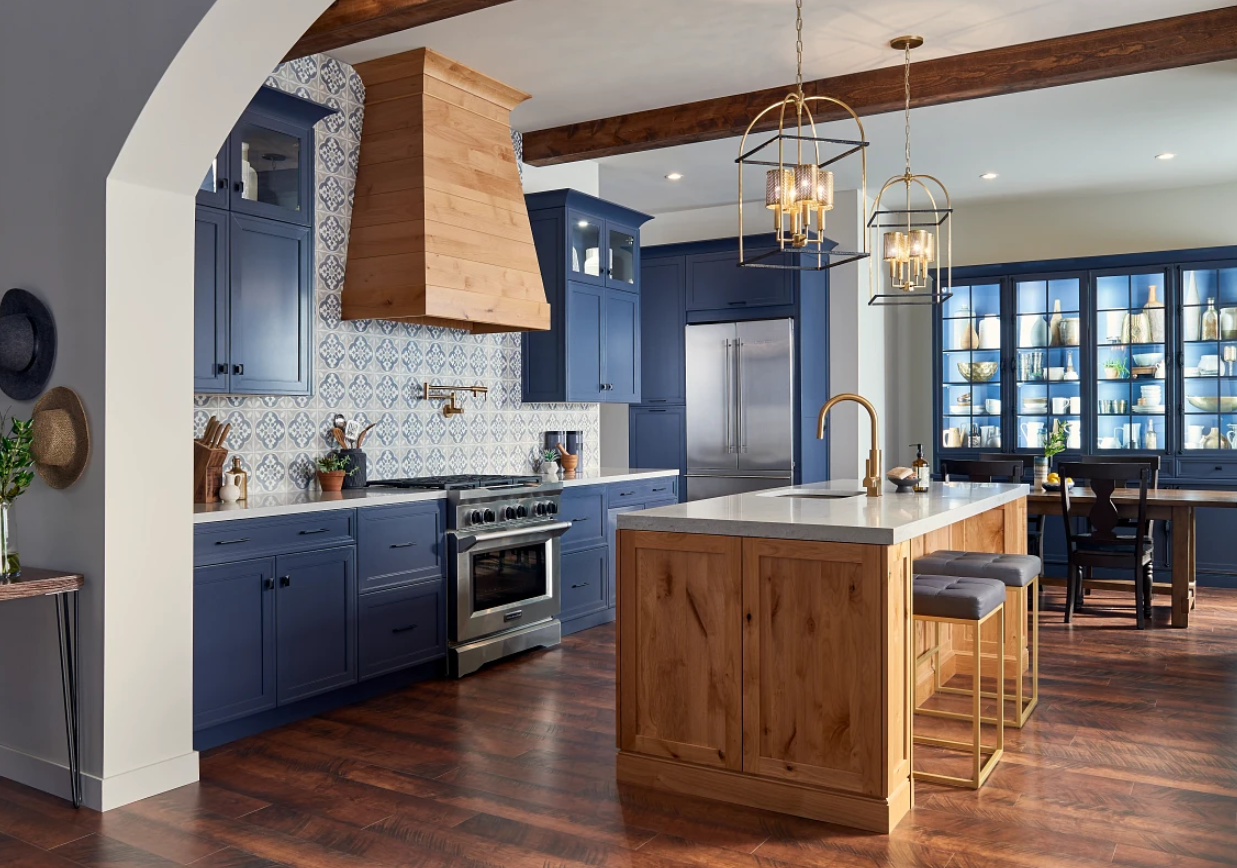
Photo by UltraCraft Cabinetry
Areas Where Caution May Be Warranted
While every homeowner's priorities differ, some upgrades commonly exceed neighborhood expectations:
Commercial-grade appliances
Highly specialized cooking equipment
Imported luxury materials
Elaborate custom millwork
Extremely personalized design themes
Technology systems that quickly become outdated
These features may be worthwhile if they significantly improve your enjoyment of the home, but they should be considered carefully if resale value is a priority.
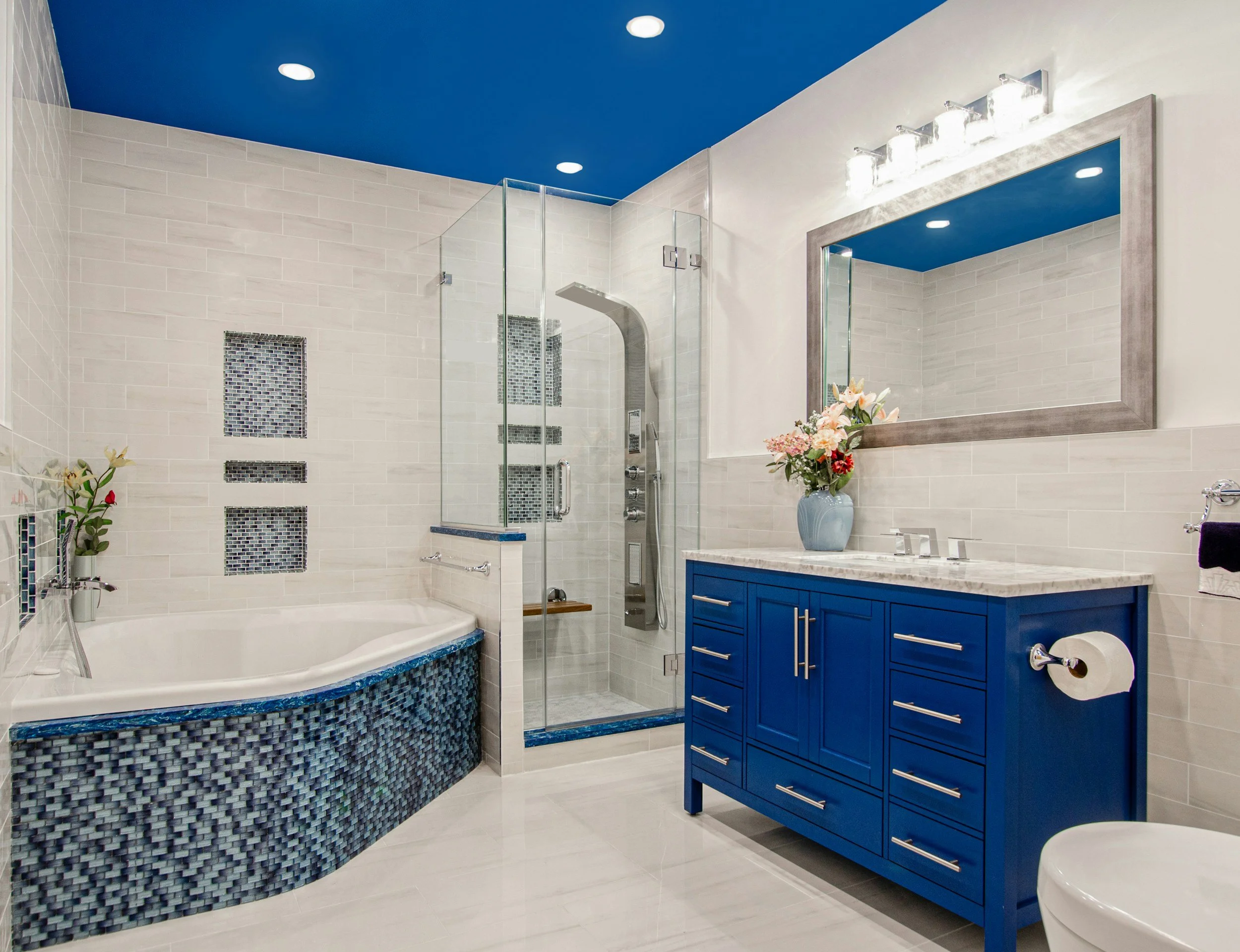
Photo by Chastity Cortijo
The Importance of Designing for Colorado Living
One of the smartest ways to avoid over-improving is to focus on upgrades that support the Colorado lifestyle.
Many homeowners prioritize:
Mudrooms and drop zones for outdoor gear
Durable flooring that handles snow, mud, and pets
Large kitchen islands for entertaining
Flexible work-from-home spaces
Outdoor living areas
Ample storage
These features often provide greater practical value than luxury upgrades that don't align with how people actually use their homes.
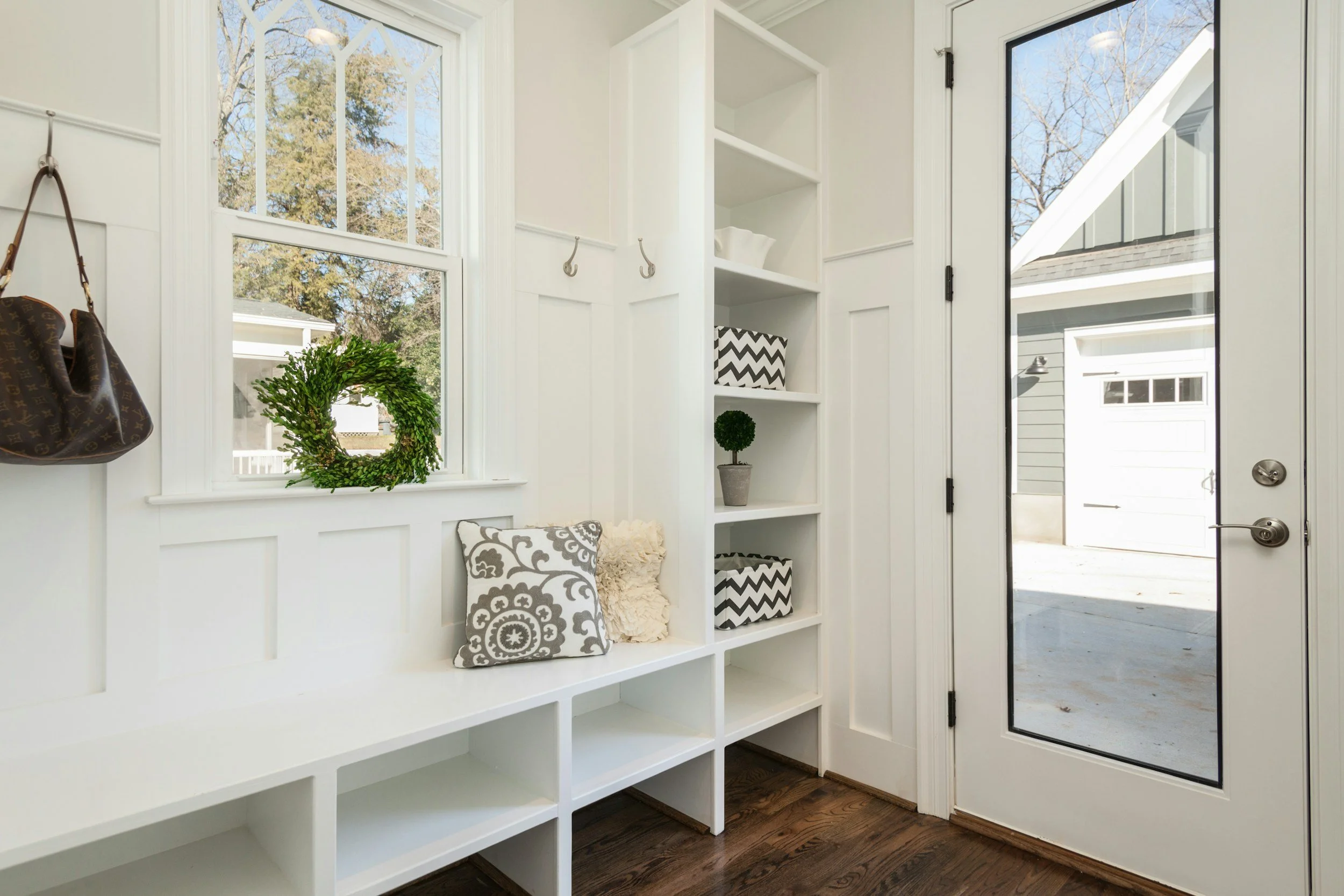
Photo by Douglas Sheppard
How a Designer Helps Protect Your Investment
Working with a professional designer offers more than aesthetic guidance.
A designer helps you:
Prioritize your budget
Identify where upgrades will have the greatest impact
Select materials appropriate for your home and neighborhood
Balance current trends with timeless design
Avoid costly mistakes and unnecessary upgrades
Experienced designers understand local market expectations and can help ensure your remodel feels elevated without pushing beyond what makes financial sense.
Instead of making decisions based solely on inspiration photos, you'll have a plan that reflects your goals, your neighborhood, and your long-term investment.

Photo by Janay Peters
Smart Upgrades That Consistently Add Value
If you're looking for improvements that generally provide strong returns, consider:
Improving kitchen layout and functionality
Updating outdated cabinetry
Adding pull-out storage and organization systems
Incorporating layered lighting
Upgrading to energy-efficient fixtures and appliances
Refreshing bathrooms with timeless finishes
Improving storage throughout the home
Creating flexible spaces for remote work
Updating flooring with durable materials
Enhancing curb appeal with low-maintenance landscaping
These upgrades tend to improve both daily living and buyer appeal.

Kitchen Remodel in Greenwood Village, Colorado. Installed by Striking Remodels
Design for Your Home, Not Just the Dream
It's natural to dream big when planning a remodel. Pinterest boards, home design shows, and social media can make it tempting to chase every trend or luxury feature.
The most successful remodeling projects, however, are rooted in context.
By considering your neighborhood, local market conditions, Colorado's climate, and your long-term goals, you can create a space that feels intentional, beautiful, and appropriately elevated.
A thoughtful remodel doesn't have to be the most expensive remodel. When done well, it enhances how you live today while protecting your home's value for years to come—making it both a beautiful space and a smart investment.