
Open Concept Kitchens: Pros, Cons, and Alternatives for Colorado Homes
For years, open concept kitchens have been one of the most requested features in home design—and it’s easy to understand why. The idea of a bright, connected space where cooking, gathering, and everyday life all happen together feels especially appealing in Colorado homes, where entertaining, mountain views, and indoor-outdoor living often take center stage.
But while open layouts work beautifully for some families, they are not always the perfect solution for every home or lifestyle. As homeowners continue to rethink how they live, work, and gather, many are exploring alternatives that offer a balance of openness, functionality, and privacy.
If you’re planning a kitchen remodel in Colorado, here’s a closer look at the pros, cons, and modern alternatives to the open concept kitchen.
Why Open Concept Kitchens Became So Popular
Open concept kitchens gained popularity because they create a sense of connection and flow. Removing walls between the kitchen, dining, and living areas can make a home feel larger, brighter, and more welcoming.
In Colorado specifically, open layouts complement several common architectural styles:
Mountain modern homes with expansive windows and natural light
Contemporary new builds with vaulted ceilings
Ranch-style homes looking for updated functionality
Homes designed around entertaining and family gatherings
An open kitchen also allows homeowners to enjoy views of the outdoors while cooking or hosting—something especially valuable in Colorado’s scenic landscapes.
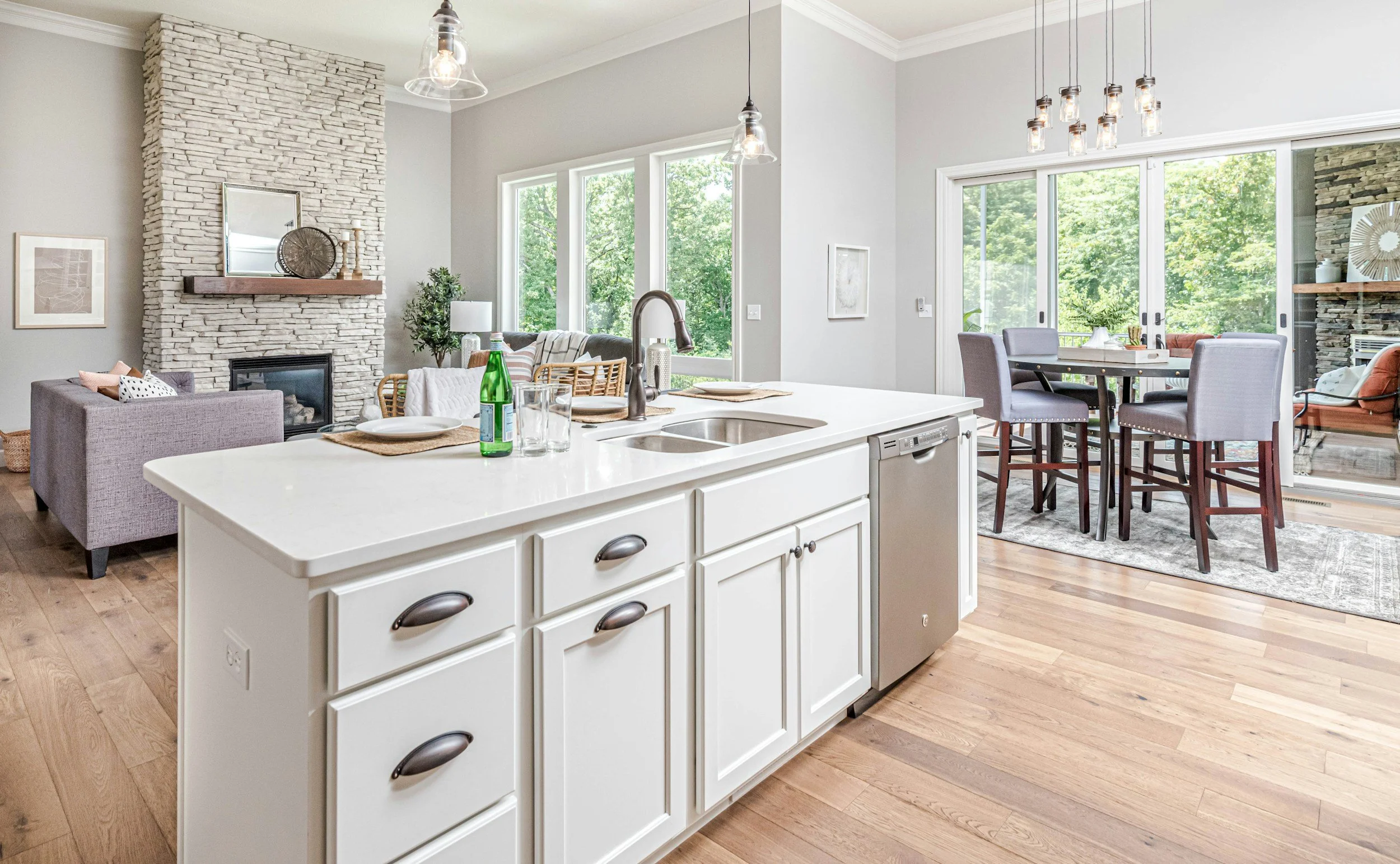
Photo by Mike Gattorna
The Pros of Open Concept Kitchens
1. Better Natural Light
Colorado averages over 300 days of sunshine each year, and open floor plans help maximize that natural light throughout the home. Removing walls allows sunlight to travel farther, making spaces feel brighter and more inviting.
2. Improved Entertaining
Open kitchens make hosting easier by keeping everyone connected. Whether you’re preparing food for a Broncos game gathering or hosting friends after a day on the slopes, the cook remains part of the conversation instead of separated from guests.
3. Increased Sense of Space
Even in smaller homes, opening walls can dramatically improve how spacious a home feels. This is especially appealing in older Colorado homes where kitchens were traditionally smaller and more enclosed.
4. Better Flow for Families
For busy households, open layouts can improve visibility and communication. Parents can supervise homework, talk with family members, or multitask while preparing meals.
5. Strong Resale Appeal
Many buyers still prioritize open living spaces, particularly in newer Colorado markets. A thoughtfully designed open kitchen can help modernize a home and increase perceived value.
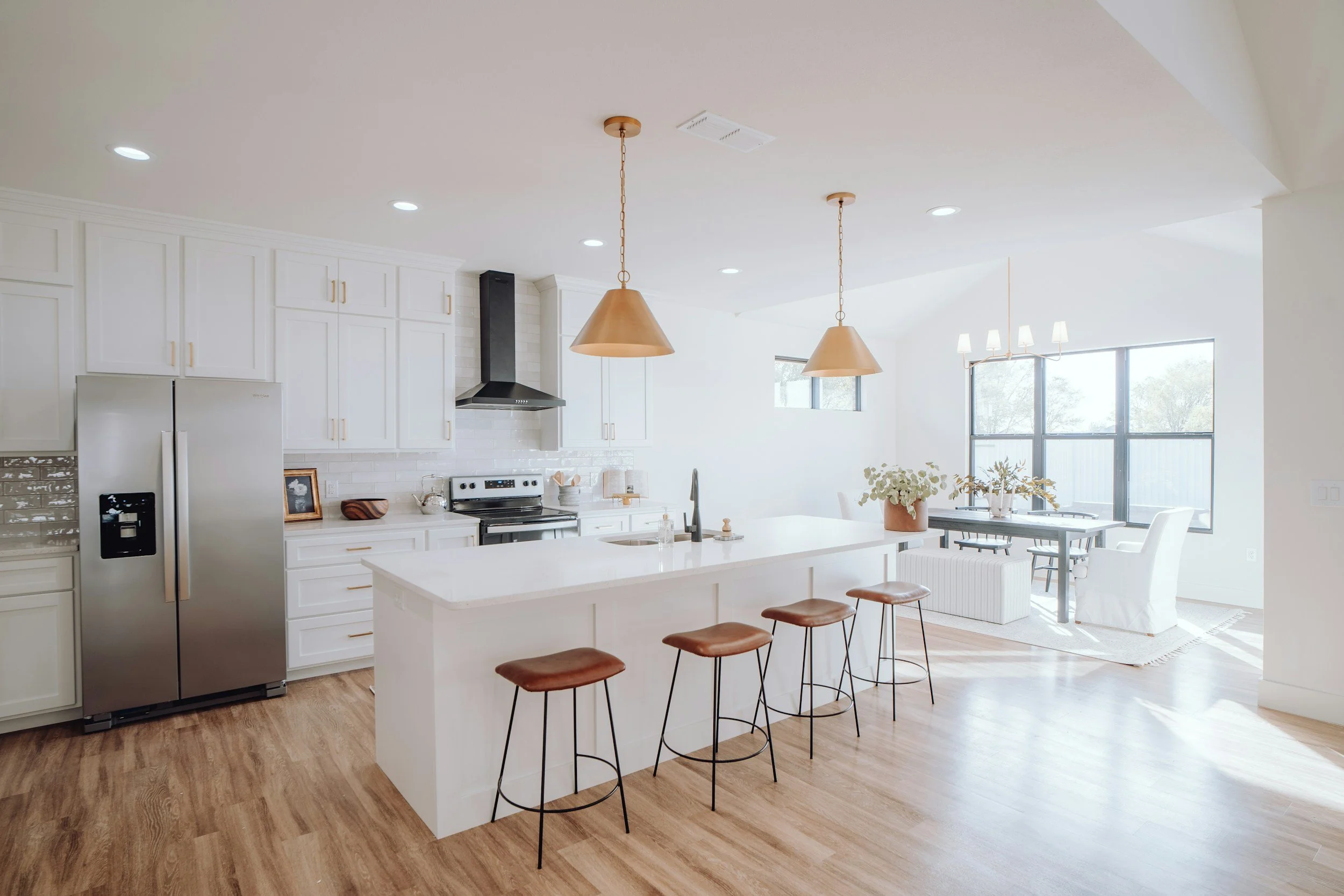
Photo by Bailey Alexander
The Cons of Open Concept Kitchens
While open layouts offer many advantages, they also come with challenges that homeowners sometimes overlook.
1. Less Privacy
With fewer walls comes less separation between activities. Noise from cooking, appliances, television, and conversations can travel throughout the home.
This became especially noticeable as more people began working remotely and needing quiet spaces during the day.
2. Visible Clutter
In an open concept home, the kitchen is almost always on display. Dirty dishes, countertop appliances, and everyday messes become visible from the living and dining areas.
For many homeowners, this creates pressure to keep the kitchen constantly tidy.
3. Limited Wall Space
Removing walls often means sacrificing:
Cabinet storage
Pantry opportunities
Artwork placement
Furniture arrangement flexibility
In Colorado homes where gear storage is already a challenge—think ski equipment, hiking gear, and bulky winter items—storage planning becomes even more important.
4. Cooking Smells and Noise
Without separation, cooking odors and kitchen sounds spread more easily throughout the home. Powerful vent hoods can help, but it’s still something to consider if you cook frequently.
5. Heating and Cooling Challenges
Colorado’s climate can vary dramatically throughout the year. Large open spaces may be harder to heat efficiently in winter or cool during warmer summer months, especially in homes with tall ceilings or large windows.
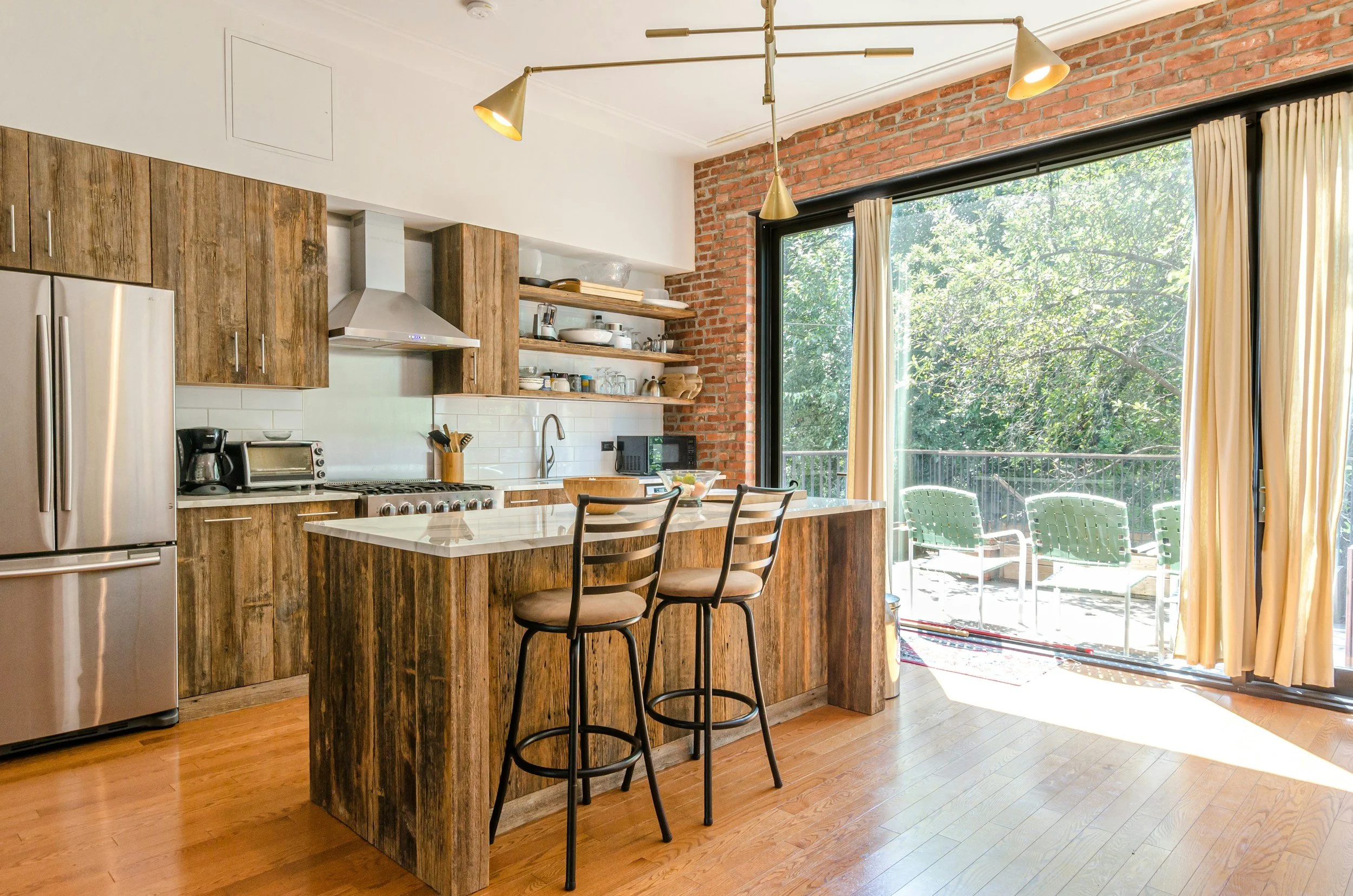
Photo by Chastity Cortijo
Alternatives to Fully Open Concept Kitchens
Many homeowners today are looking for a middle ground—spaces that feel open while still providing some structure and separation.
Here are several popular alternatives gaining traction in Colorado home design.
1. Partial Open Concept
Instead of removing every wall, partial openings maintain some division while improving flow.
Examples include:
Enlarged pass-through openings
Half walls
Wide cased openings
Retaining structural columns for subtle separation
This approach preserves some privacy and storage while still creating a more connected feel.
2. Broken Plan Layouts
A growing trend in design, broken plan layouts use architectural elements to define spaces without fully enclosing them.
This might include:
Glass partitions
Wood slat dividers
Double-sided fireplaces
Built-in shelving
Changes in ceiling treatments
These solutions create visual separation while maintaining openness and light.
3. Dedicated Prep Kitchens or Sculleries
Especially popular in luxury Colorado homes, prep kitchens provide a secondary hidden workspace for:
Food prep
Cleanup
Small appliances
Extra storage
This allows the main kitchen to remain clean and visually appealing during entertaining.
4. Zoned Open Spaces
Rather than one completely open room, zoned layouts define specific functions through:
Furniture placement
Lighting
Ceiling beams
Flooring transitions
Kitchen islands
This creates a sense of organization and comfort without closing spaces off entirely.
5. Flexible Multi-Use Spaces
Many homeowners are now prioritizing flexibility over complete openness. Pocket doors, sliding panels, or movable partitions can allow spaces to open or close depending on the occasion.
This works especially well for:
Work-from-home households
Families with children
Homes that host overnight guests frequently
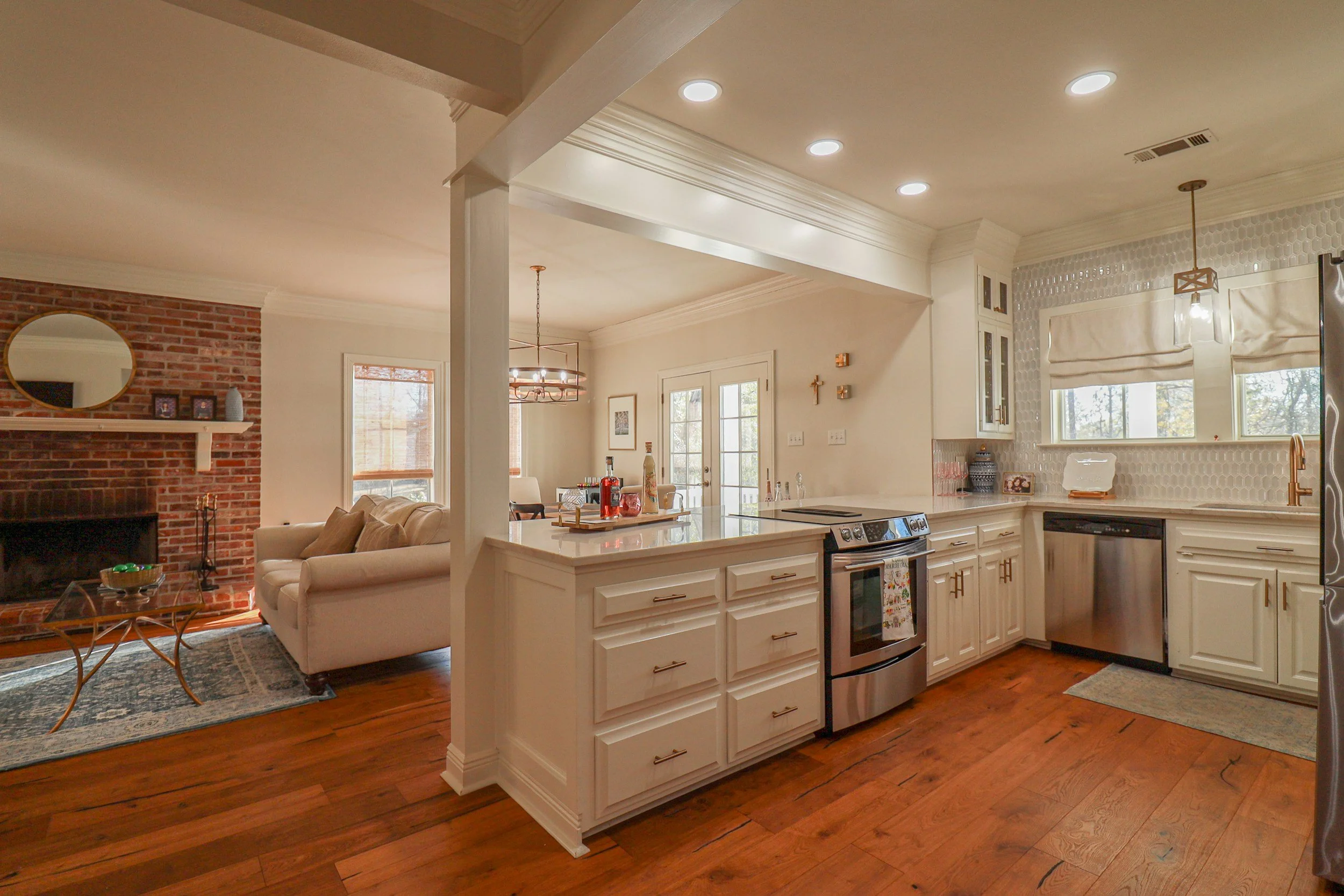
Photo by Ronnie George
Is an Open Concept Kitchen Right for You?
The best kitchen layout depends on how you actually live—not just current design trends.
An open concept kitchen may work well if you:
Love entertaining
Prefer bright, connected spaces
Have a household that spends time together in shared areas
Want better sightlines and flow
You may prefer an alternative if you:
Work from home frequently
Want more privacy or quiet
Need additional storage
Prefer defined, cozy spaces
Dislike visible kitchen clutter
Final Thoughts
Open concept kitchens continue to be popular for good reason, especially in Colorado homes that emphasize natural light, views, and gathering spaces. But today’s homeowners are increasingly realizing that fully open isn’t the only option.
Thoughtful design is about creating a home that supports your lifestyle, routines, and long-term needs. Whether that means opening walls completely or creating a more balanced layout with intentional separation, the goal is the same: a kitchen that feels both functional and welcoming.
If you’re considering a kitchen remodel, taking time to evaluate how your family truly uses the space can help guide the right layout decision for your home.